



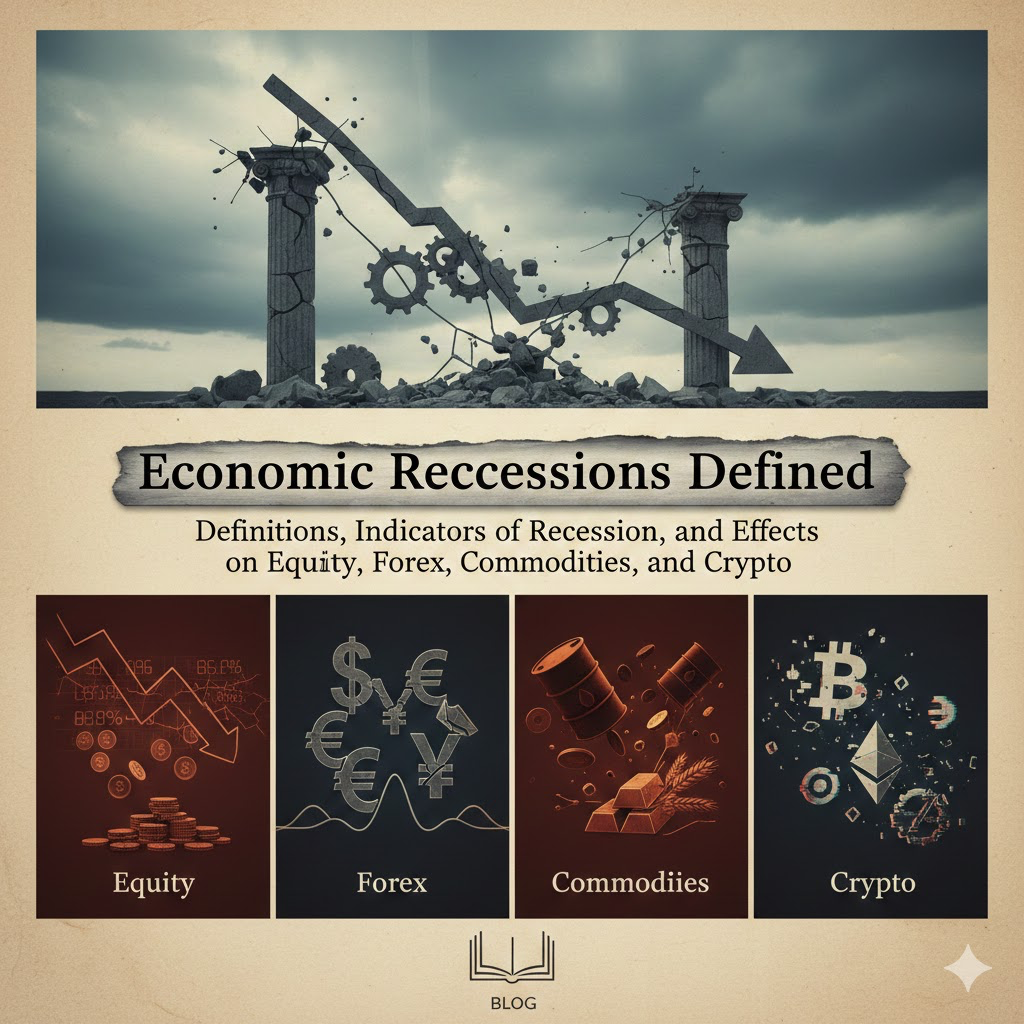
The Impact Economic Recessions Will Have on All Financial Markets
An economic recession is far more than just a story in the financial media; it is a major change in the Economy, and it affects your ability to make money and grow your investments. A recession is a term used to describe the time period during which the overall Economy loses its ability to grow and earn income. To illustrate, a recession is similar to an automobile engine that can run but has lost most of its power.
As you can see from the examples above, a recession = no job, no income, less money to spend on everyday items. So, as businesses' sales decline, their first course of action will be to stop hiring or to let people go. Many households will be forced to "tighten their belts," meaning they will defer any purchases of large items, i.e., automobiles or houses, and will also reduce spending on things/activities they do not absolutely have to participate in. The result is a cascading effect throughout the entire economy.
As a result of an economic recession, investors will find themselves in a difficult position to make money. Corporate earnings decline results in volatile stock markets, while changes in the monetary policy from central banks generate fluctuations in currency values and interest rates. An understanding of the relationship between these two factors is essential in order to help protect and grow our wealth.
Most people assume recessions happen all at once. However, in fact, they build up over time and have observable signs, so that if you're an astute investor, you'll be able to identify the signs ahead of time. Often, by the time the announcement of a recession is made on the news, the stock market has already been prepared for the recession, which means it has already factored in the likely negative effects on economic indicators.
How to Identify Economic Recessions Early: Definitions and 5 Key Warning Signals
This will provide you with the essential information you need regarding how the various economic institutions define an economic recession, what warning signs to look for that help you identify when an economic recession is approaching, and why various asset classes behave differently during an economic recession. Whether you're an experienced investor or just starting on your investing career, if you understand more fully how and when economic recessions occur, you'll be able to more easily make informed decisions while investing in the financial markets.
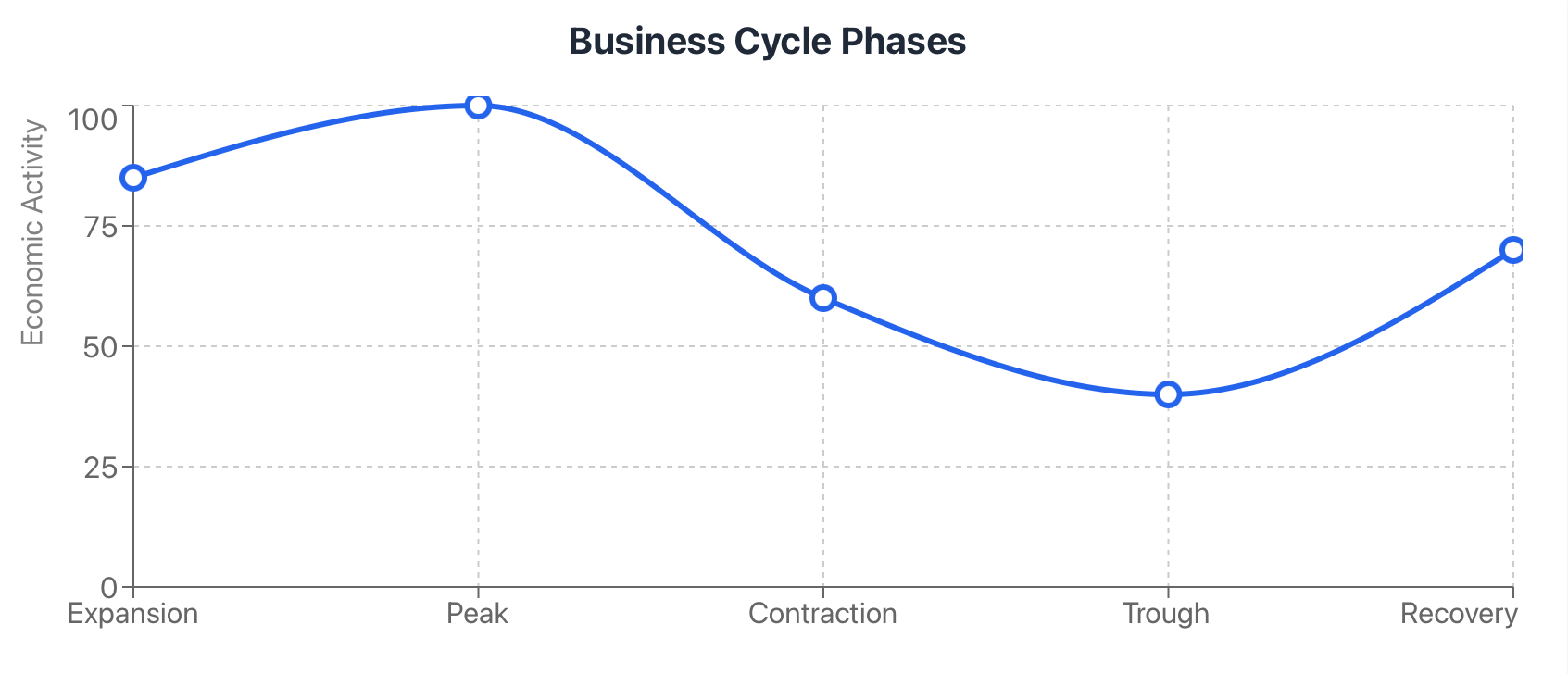
The Business Cycle's Definitive Definition
The National Bureau for Economic Reporting (NBER) defines economic recessions as significant, widespread declines in all economic activity that last for at least six months and can be identified through Gross Domestic Product (GDP), income, employment, industrial production, and sales volumes in wholesale and retail trade. Thus, while they often reflect negative growth trends, recessions also reflect a severe decrease in economic activity in many sectors.
The important reality is that the announcement of official recessionary conditions frequently occurs long after investor concerns about the state of the economy have developed, by which time most investors have already been adjusting their portfolios for weeks or even months in response to their market perceptions. Therefore, neither professional nor individual investors do not have the luxury of waiting for the official announcement of a recession before taking action.
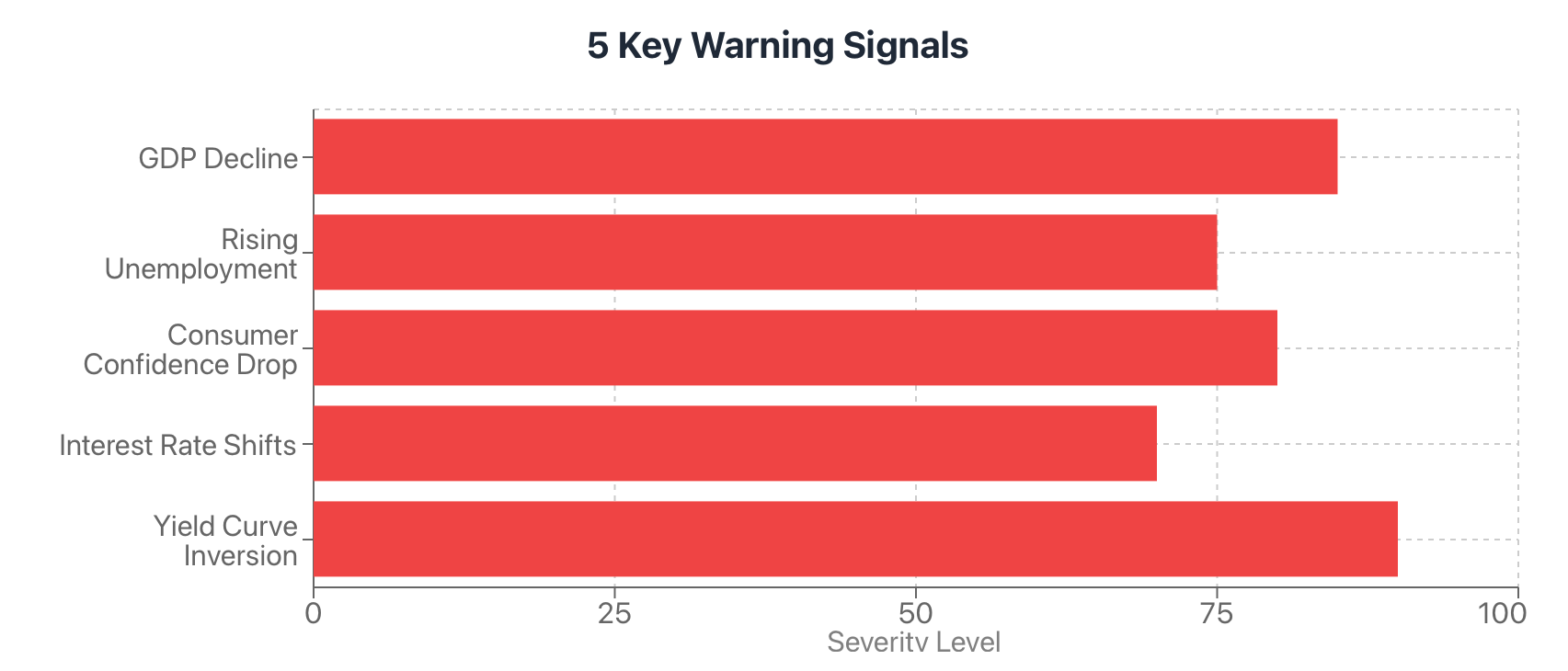
5 Signs that Recessionary Conditions are Approaching
1. Declining Growth in GDP
GDP represents all of the production in an economy measured in dollars and would be the clearest indication that something has gone terribly wrong with the economy. While you can certainly experience continuing positive growth in GDP, the trend of decline will be visible in the next year or so and can signal serious problems. When GDP experiences a consistent decline over several quarters, this may indicate a significant slowdown in economic growth.
2. Rising Unemployment Rates
As a result of a looming recession, businesses will often downsize long before an official recession has occurred for the purpose of preserving profits. This causes a chain reaction, in that fewer employed people will spend, causing the economy to weaken even further. For example, if restaurants are initially cutting back on their employees due to decreased levels of customer patronage. This is usually a self-fulfilling prophecy that can magnify before the onset of a recession.
3. Declining Consumer Confidence
Consumer confidence is a measurement of a person's attitude toward their financial position as well as the financial health of the economy. When a person's level of consumer confidence declines, they may postpone purchasing big-ticket items (car, home, etc.) This drop in consumer spending (consumer spending accounts for over 70% of the U.S. economy) can cause an almost immediate slowdown of the economy.
4. Central Bank Interest Rate Shifts
As interest rates have historically increased or decreased, banks will generally be encouraged to either lend less money or lend more money (due to better demand). Interest rates are decreased in response to increased levels of borrowing for the purpose of stimulating growth and enhancing the economy. For example, banks are now decreasing their interest rates because they have no demand for loans, thus increasing their ability to lend. These trends tend to occur before economic recessions or at the beginning of economic recessions.
5. The Inversion of the Yield Curve
The Yield Curve is a chart that measures the interest rate of a bond with the same credit quality but varying maturities. In normal cases, Long-Term Bonds have a higher yield than Short-Term Bonds. When Short-Term Yields exceed Long-Term Yields, this is called Inversion and is indicative of an investor's lack of confidence in future economic activity. In essence, Short-Term Loans become more expensive than Long-Term Loans, which is an unusual occurrence that has preceded nearly every recession in the US.
The signal that a recession is likely to occur becomes stronger when there are multiple signals pointing towards the same conclusion. Any one signal cannot guarantee that a recession will occur; however, as you collect more signals that all indicate the same thing, the probability of the occurrence of a recession increases significantly.
How Investors Respond Psychologically to a Downturn in The Economy
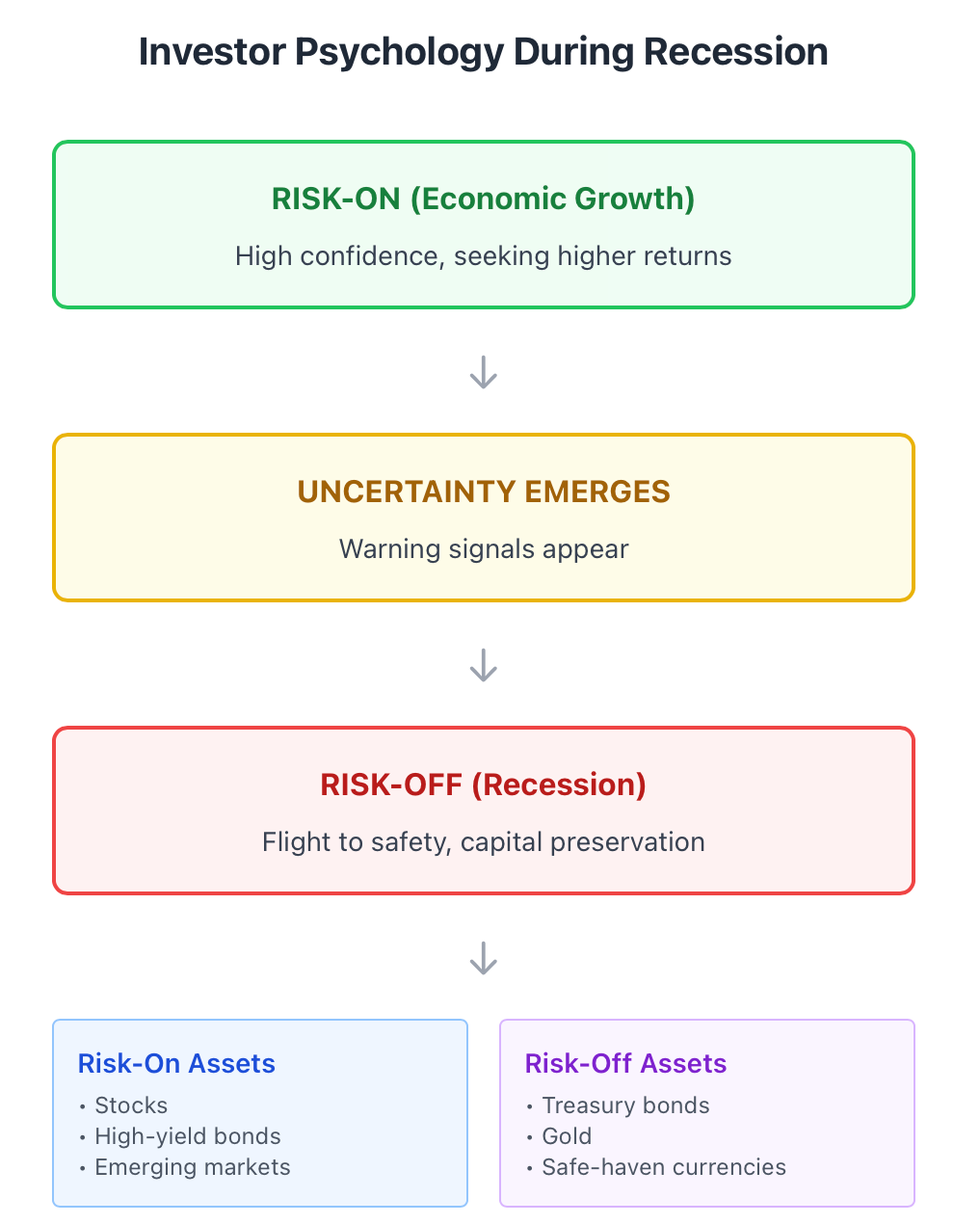
Understanding how investors react during times of economic downturn helps predict market trends. Investors migrate from a risk-on mentality to a risk-off mentality when there is uncertainty in the economy.
During times of economic growth, the investor's confidence increases, and they seek greater returns through purchasing higher-risk assets, such as stocks, high-yield bonds, and currencies of emerging markets (83% of high-yield bonds are rated below investment grade). During times of recession (the worst of which was 2008), the appetite for risk decreases sharply, and investors flock toward safety.
The risk-off approach of an investor is based on our natural human response to uncertainty. When times of uncertainty occur, investors will tend to hold more cash than usual and gravitate toward assets perceived to be safer than cash, such as Treasury bonds, gold, and the currencies of stable nations (such as the dollar or Swiss franc).
In addition to perceived safety, liquidity becomes extremely important for an investor during periods of economic downturn. During these periods, an investor's primary goal is to purchase assets that can be liquidated quickly with little deterioration in value. This tendency towards liquidity will create the first wave of liquidating activities in the market; selling liquid and less liquid assets will cause prices to decline, resulting in additional selling as margin calls and limits are triggered.
The movement of stock prices in recessions reflects how investors work together to predict the next move, rather than being random. By understanding collective psychology, investors can prepare for how they expect stock prices to react to economic downturns.
Stock Market Performance During Economic Recessions
The stock market usually provides a warning sign of an impending recession, indicating prices may start to decline in anticipation of the impending downturn before it has been acknowledged. Prices of individual stocks are based upon future earnings expectations; thus, stock prices will peak before the recession actually occurs and begin to increase after the recession has officially ended. Prices of individual stocks do drop prior to companies losing profits.
The behaviour of individual stocks during periods of recession is not the same. There tends to be a divergence in how stocks behave. For example, some stocks are viewed as being in a defensive sector, while other stocks are viewed as being cyclical.
Defensive sectors are made up of Utilities, Health Care, Consumer Staples, and Telecommunications. These sectors produce the basic goods or supplies we need and will buy, whether an economy is booming or busting. Examples would include your basic needs of Electricity, Medicine/food, and Telephone Service. Defensive stocks tend to have greater value retention during difficult economic periods and can sometimes outperform the overall market in these periods.
Cyclical sectors are driven heavily by consumer spending: Technology, Retail, Automotive, and Construction. When we are in an economic downturn, consumers cut back on Discretionary Items. A family may delay purchasing a new vehicle or renovating their house due to uncertain times, which directly affects those industries.
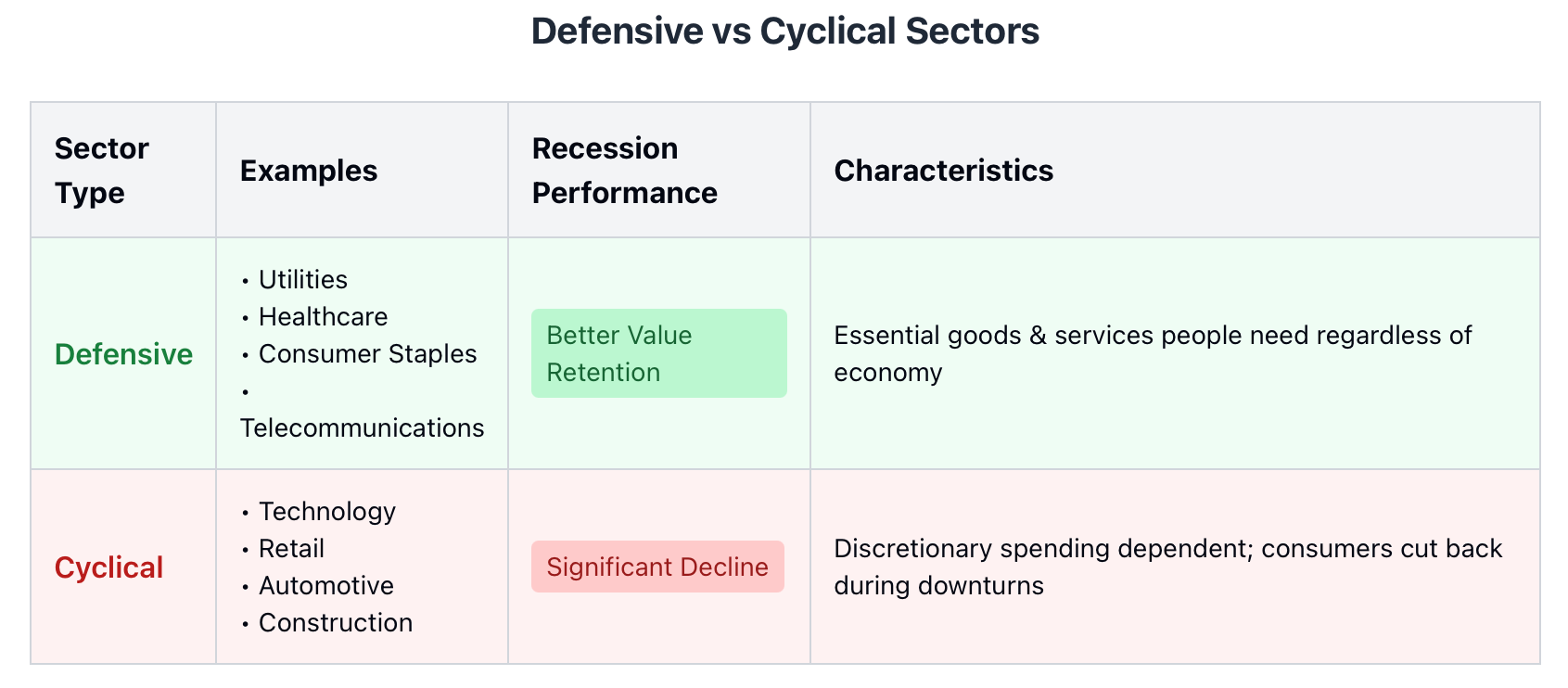
Through these two contradictory sectors, there are opportunities for the investor. With a solid understanding of which sectors perform better during Economic Downturns, the strategic investor can adjust the allocation of his portfolio in order to minimise losses while maintaining the potential of having exposure to leaders in recovery.
Economic History shows that all Stock Markets decline during Recessions; however, the actual amount of decline and the amount of time they decline have significant variations. For example, the S&P 500 went down by over 50% during the Financial Crisis of 2008, but it only went down by just under 34% during the brief Recession of 2020; however, that index recovered significantly faster than it did during 2008. These examples illustrate the importance of understanding the context of the individual Recession when making Investment Decisions.
Trends in the Forex Market During Recessions
Recessions create trending patterns in the Forex market, where the currency value is dependent upon the changing economy and interest rate environment. Understanding these changing dynamics during these times will allow Forex traders to make better trading decisions during the uncertain times that a recession creates.
The relationship between capital flows and the interest rate tends to be the driving force behind how currencies react during a recession. As a country enters a recessionary phase, most central banks tend to lower their interest rates in an effort to boost the economy through stimulus. When a country has lower interest rates on its currency, investors seeking greater returns from their investments overseas typically shift funds from the lower-risk currencies to this currency, therefore creating an outflow of capital from that currency and depreciating its value.
As a result of a global recession, many investors may tend to invest in safe-haven currencies that are perceived as safe and liquid during these difficult economic times. An example of a safe-haven currency is the US dollar, which usually gains strength during a recession, despite the country's economic issues, due to its status as the world's reserve currency. In addition, because of Japan's and Switzerland's stable fiscal policies and politically neutral stances, each country's currency (the Yen and Franc, respectively) is also perceived as a haven.
As a result of recessions, the currencies of risk-sensitive countries, such as most emerging market currencies, tend to weaken as well. The reason is that these currencies are directly tied to the global economy and investor risk tolerance. Investors usually sell these currencies in times of uncertainty or recessionary periods.
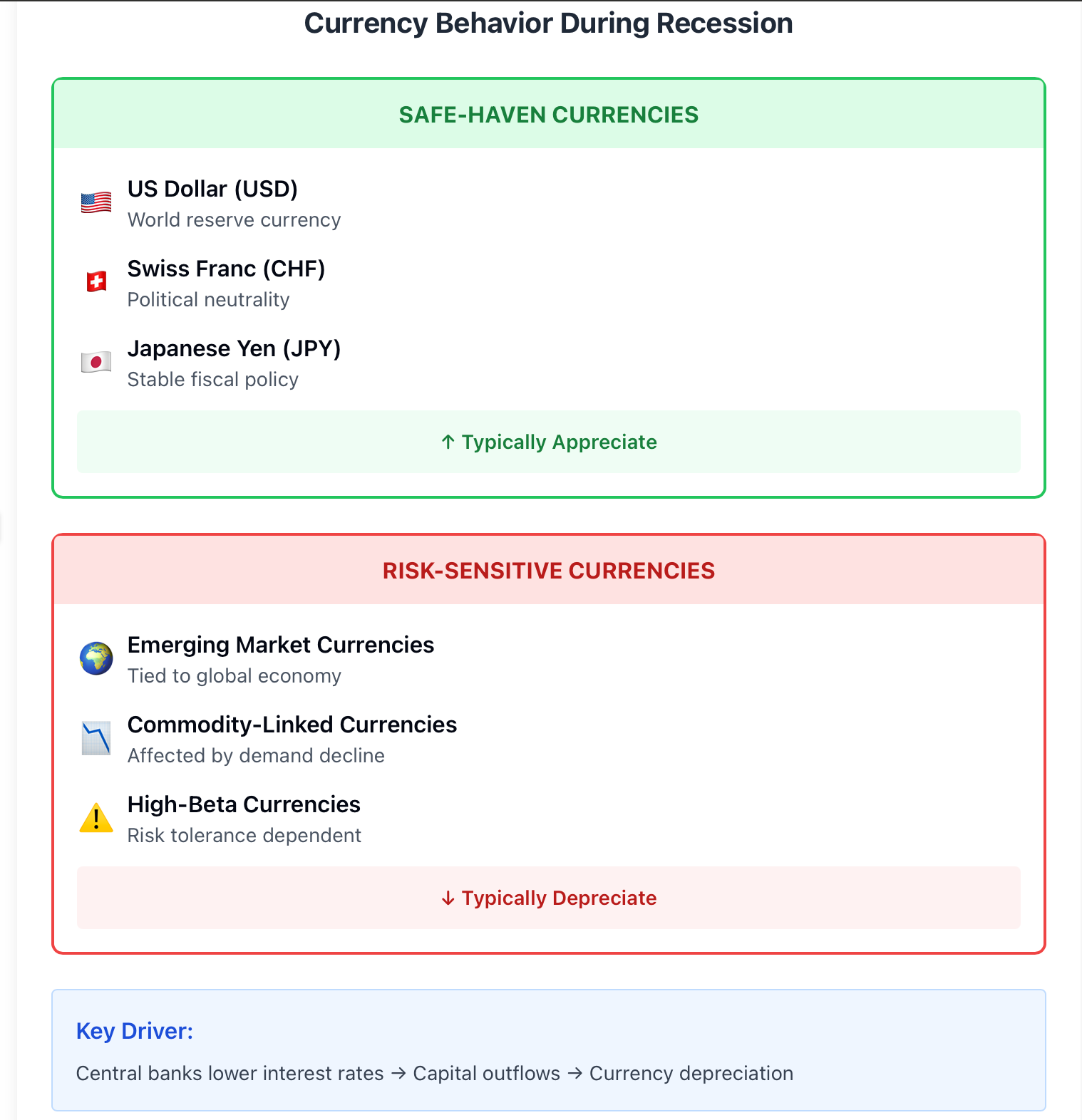
When people save money in the most secure bank during hard times, they are like investors when they save their money in the currency of that secure bank. Investors will also look to move their investments into a country's currency that has the strongest economy and political stability. This movement of money into a secure currency when economic conditions are volatile and uncertain produces a pattern of market behaviour with respect to currency transactions on the Forex market.
The relative strength of a currency during a recession can vary according to how well an economy is performing relative to other economies. For example, even when there is a global recession, it is possible for some countries to perform better than others. In many cases, the currencies of countries with better fiscal positions, more stable banking systems, and lower exposure to the drivers of that specific recession will perform better than the currencies of other countries.
In addition, the behaviour of the euro during a recession is an example of how the structure of the eurozone can create situations that result in different economic conditions impacting different countries within the eurozone. The countries of the eurozone have a shared monetary policy, but they often experience the impacts of economic recession differently from one another. This results in tension and can have a greater impact on the value of the euro as compared to other currencies, which typically follow the same pattern.
Forex traders can use these established patterns to help them position themselves to perform well during a recessionary period. However, as with any other market, historical trends do not always guarantee future results; therefore, each recession possesses its own characteristics that may change the way currencies interact with one another when compared to traditional paradigms.
Comparison of Gold Versus Oil During a Recession Period
During a recession period, commodities demonstrate dramatically different behaviours based on whether they act as safety net assets or goods that are driven by demand. An investor needs to recognise these differences so that they may properly allocate their portfolio.
In times of uncertainty, gold has been viewed as a safety net asset. Investors tend to increase the amount of gold they hold in their portfolio as a means of storing value and hedging against the devaluation of money. Gold's performance during economic downturns demonstrates the fact that gold operates both as a physical commodity and as a monetary asset. Unlike many other commodities, there is no other primary use for gold than for investment.
During the financial crisis of 2008, the value of many different asset classes deteriorated, while the value of gold increased as more and more investors sought out a safe place to store their wealth. This same pattern was seen during the early stages of the COVID-19 recession in 2020. As a result of this safety-net character of gold, it is often viewed as an effective diversifying tool in times of economic downturn.
On the other hand, oil and industrial metals have completely different behaviours. These commodities are a direct reflection of economic activity; therefore, the price of oil is based on the current and expected demand for energy and manufactured goods. As an economy enters a recession, when there is less to be produced by factories, fewer goods are shipped by corporations, and fewer people will travel, there will be a decline in the demand for oil.
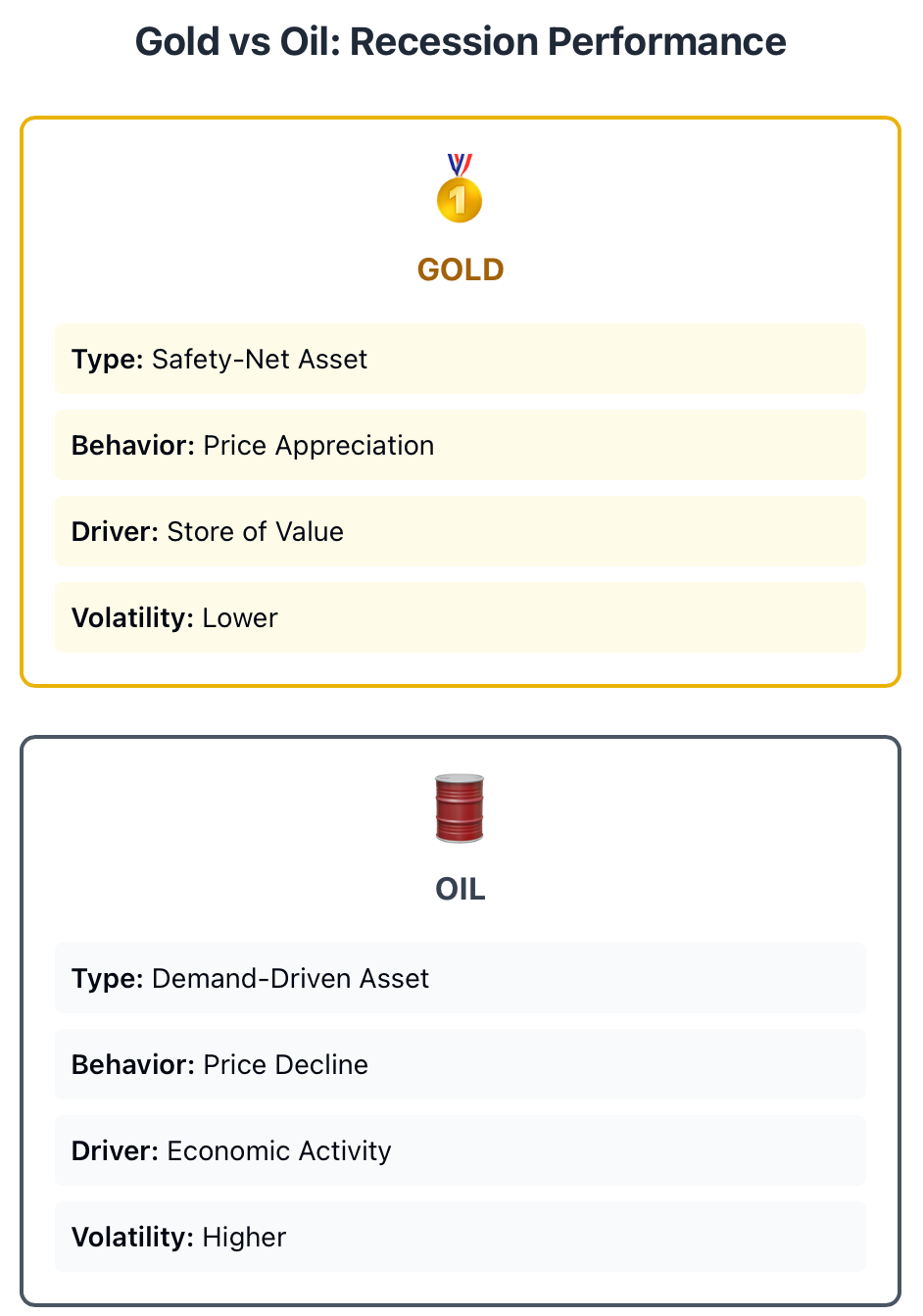

During a recession, there is less business travel, fewer vacations, and fewer shipping deliveries, which means that there is reduced fuel consumption. This was evidenced by the 2020 recession, when oil prices turned negative because storage facilities were reaching maximum capacity, and the oil demand was zero during the lockdowns.
Demand-driven industrial metals (copper, aluminium, steel) also tend to see similar patterns. When the construction companies have to delay their projects, and manufacturing slows down, this causes the demand for these materials to drop, usually resulting in much larger drops in prices than the price of gold. Capitalising on the divergence of these commodity prices allows commodity investors to build a strategy for investing in commodities. During recessions, increasing an investor's allocation to safe-haven commodities such as gold and reducing an investor's exposure to demand-sensitive commodities such as oil will help protect the overall value of an investor's portfolio. However, in order to correctly time the change in allocation between these two types of commodities, an investor will need to perform an in-depth analysis of both the severity and the duration of the recession.
It's also important to understand that not all recessions have the same effect on the price of commodities. Certain types of supply-side shocks can lead to unusual price behaviour. For example, if there is a recession and there are also supply disruptions in the oil market, the price of oil during that recession will behave differently from the price of oil in a recession that is characterised by decreased demand.
How Cryptocurrencies Perform During Economic Recessions
During periods of economic recession, the use of cryptocurrencies is still being explored. As this asset class is relatively new, it has not yet gone through a number of full economic cycles. Therefore, some competing narratives exist to describe how crypto fits into these economic downturns.
The first narrative presented here is that cryptocurrencies are risk assets, similar to growth stocks. Through this lens, when investors seek to eliminate risk during downturns, they tend to sell off cryptocurrency first. In March of 2020, during the COVID-19 market crash, for example, bitcoin immediately followed the falling stock market.
The second narrative describes cryptocurrency as "digital gold." This viewpoint suggests that, like gold, cryptocurrency could potentially act as a hedge against currency devaluation as well as an investment during times of economic uncertainty. Proponents of this view cite the limited supply of bitcoin and its decentralised nature as potential reasons to view it favorably during times of heightened volatility in traditional financial markets.
The final viewpoint on cryptocurrency being used during economic downturns considers crypto merely to be a speculative instrument that is not linked to any underlying economic fundamentals. As such, the price of cryptocurrency during a recession is primarily determined by investor sentiment, liquidity, and technical reasons rather than overall macroeconomic trends.
Crypto markets tend to respond dramatically to tighter liquidity in recessionary periods. When investors are forced to sell to obtain cash or dial down risk, they often choose to sell their most volatile investments first. Since cryptocurrencies are considered to be among the most volatile investments, these assets may be exposed to additional downward selling pressure during economic hardship.
As a result, as beginners get started with cryptocurrency investing, they need to understand that the average volatility of crypto will likely be more than that of traditional assets during times of recessionary distress. Because of the price decrease at a sharp level, and the possibility of a substantial price rebound after the downturn, an investor in crypto markets has both risk and opportunity.
The crypto market and its correlation with traditional assets are evolving. For example, during periods of extreme market stress, the crypto market has moved independently from traditional equity markets. At other points in time, the crypto market has moved in tandem with risk assets such as technology stocks. With the continuing evolution of the crypto market and its correlation with traditional equity markets and other risk assets, the role of crypto in an investment portfolio during periods of recession is likely to continue evolving.
In considering whether to invest in cryptocurrencies during the recession, investors will want to conduct a careful review of their risk tolerance. Due to the high volatility potential associated with cryptocurrencies, any investment in this asset class can cause a disproportionate amount of impact on an investor’s overall portfolio performance. As with any investment decision one makes, during uncertain periods of time, having careful research and position sizing is particularly critical.
Stocks vs Forex vs Commodities vs Crypto in Economic Recessions
The performance of asset classes throughout an economic slowdown shows investors a clear picture of how markets behave, which in turn helps them develop a more resilient portfolio. The behaviour of an asset class will depend on its fundamental characteristics, along with its relationship with the greater economy.
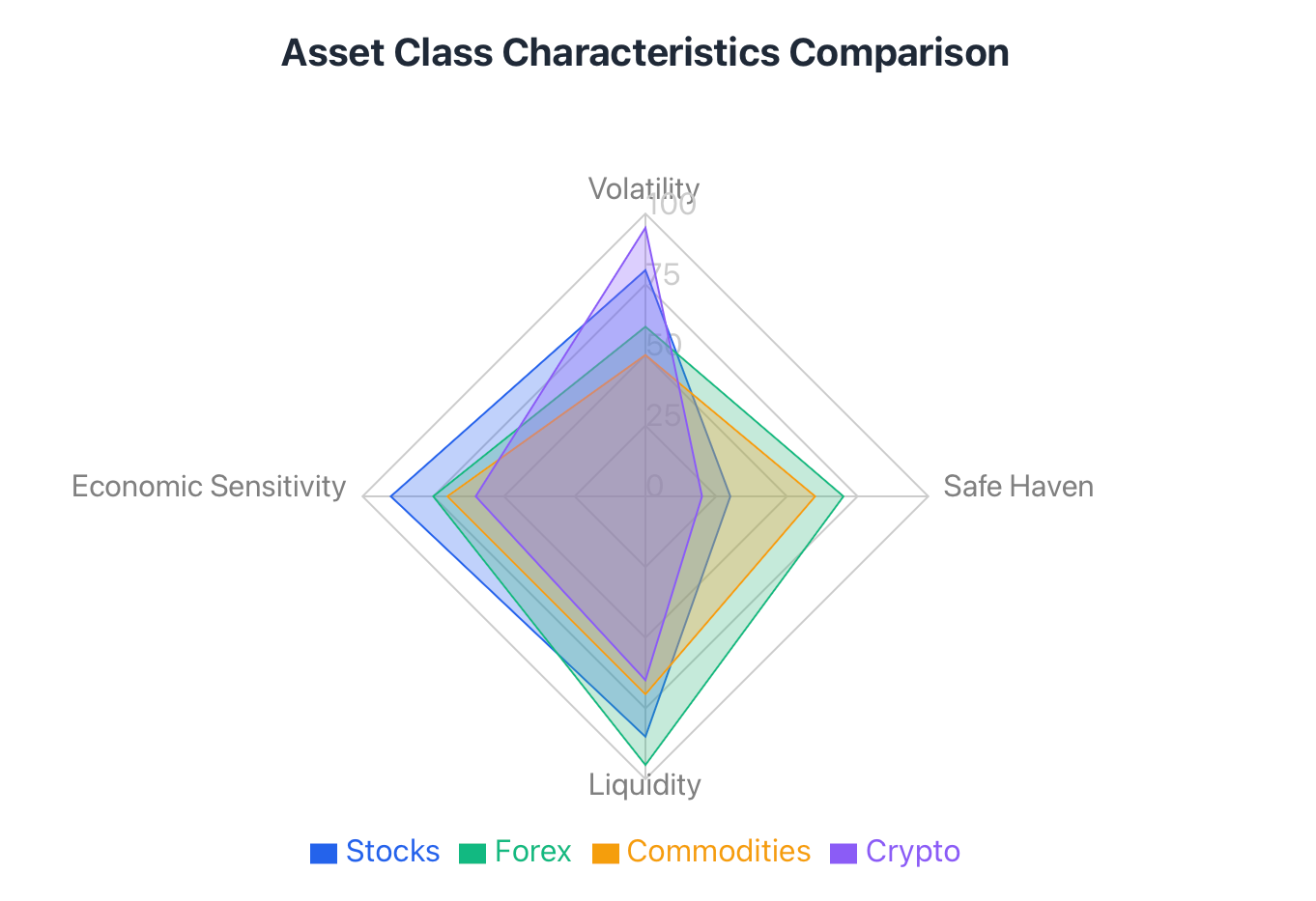
Comparing the performance of stock, Forex, commodity, and cryptocurrency asset classes shows that all four types of assets move differently during times of economic decline. Stocks and cryptocurrency both are regarded as having high levels of volatility throughout economic declines, while commodities tend to have lower levels of volatility. As a result, investors may want to be careful when investing in stocks or cryptocurrencies during economic slowdowns.
Different asset classes will exhibit their reactions to an economic downturn based on their volatility, safe haven characteristics, and sensitivity to economic cycles, but the patterns will depend on three major characteristics. Stocks tend to be highly volatile during an economic downturn when businesses project lower earnings because of the deteriorating economy.
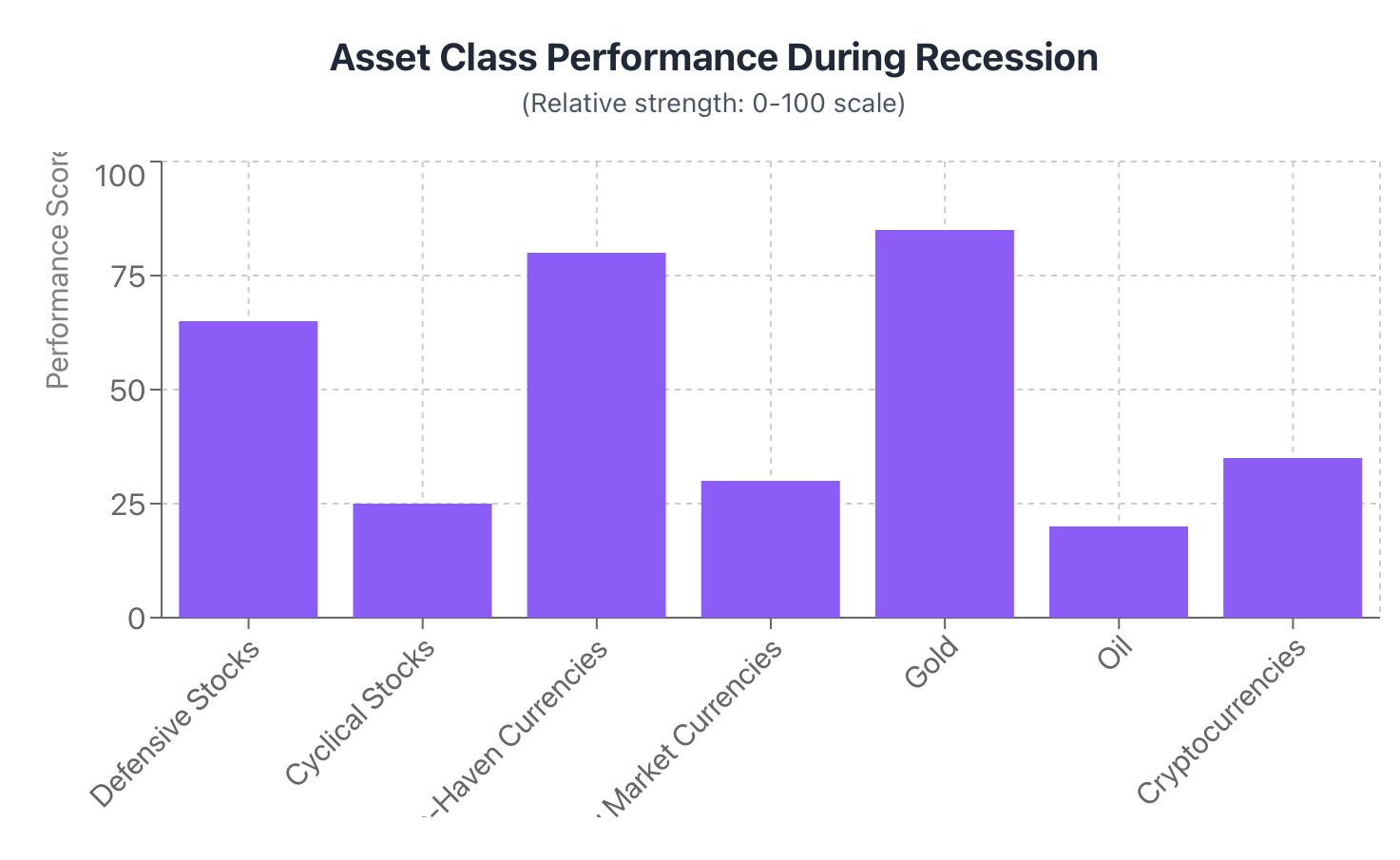
The haven characteristics of stocks are minimal; however, certain defensive sectors do tend to cushion some of the volatility associated with stock prices. In addition, stocks are very sensitive to all the different economic cycles, especially cyclical companies that depend on consumer and business spending; therefore, as levels of spending decrease for each, cyclical companies will see corresponding decreases in their stock prices.
Commodities will react differently to each economic cycle, depending on the type of commodity. For example, safe haven commodities, such as gold, generally experience lower volatility during economic downturns and may actually have price appreciation as compared to normal upward price activity during an economic upturn.
On the other hand, demand-driven commodities, such as oil, typically experience very high volatility and declining prices through an economic downturn and exhibit very high sensitivity to all economic cycles, yet the degree to which they are sensitive depends on the type of commodity.
For cryptocurrencies, the volatility during an economic downturn tends to be the highest of all asset classes because they predominantly trade on the speculation of their value. Additionally, the haven characteristics of most cryptocurrencies remain debatable and have very limited historical data to back up any theory that they are a haven for value.
Additionally, there is still much research to be conducted on the sensitivity of cryptocurrencies to economic cycles. Recently, most studies have shown that the liquidity level considerably affects how well cryptocurrencies perform in an economic cycle.
When comparing various assets, you can see how diversifying your portfolio is especially important during times of economic recession because different asset classes respond differently to economic downturns. By allocating your investments among assets with diverse responses, you may reduce your overall portfolio's volatility and increase your risk-adjusted return.
Where you allocate funds in a recession will depend on your unique situation (i.e., investment timeline, risk tolerance, and financial goals).
Knowing how different asset classes respond may not ensure success when navigating an economic recession, but it can help create a basis for making educated investment decisions. Traders might also develop unique strategies for each asset class instead of treating them all the same during a recession. Strategically aligning your positions based on the historical behaviour of each asset class will provide a stronger position for success.
How Traders Can Manage Risk During Economic Recessions
During an economic recession, traders must adopt a disciplined style of trading, emphasising risk management rather than simply pursuing profits. The uncertainties and increased levels of volatility seen during recessions require that traders modify their trading strategies accordingly.
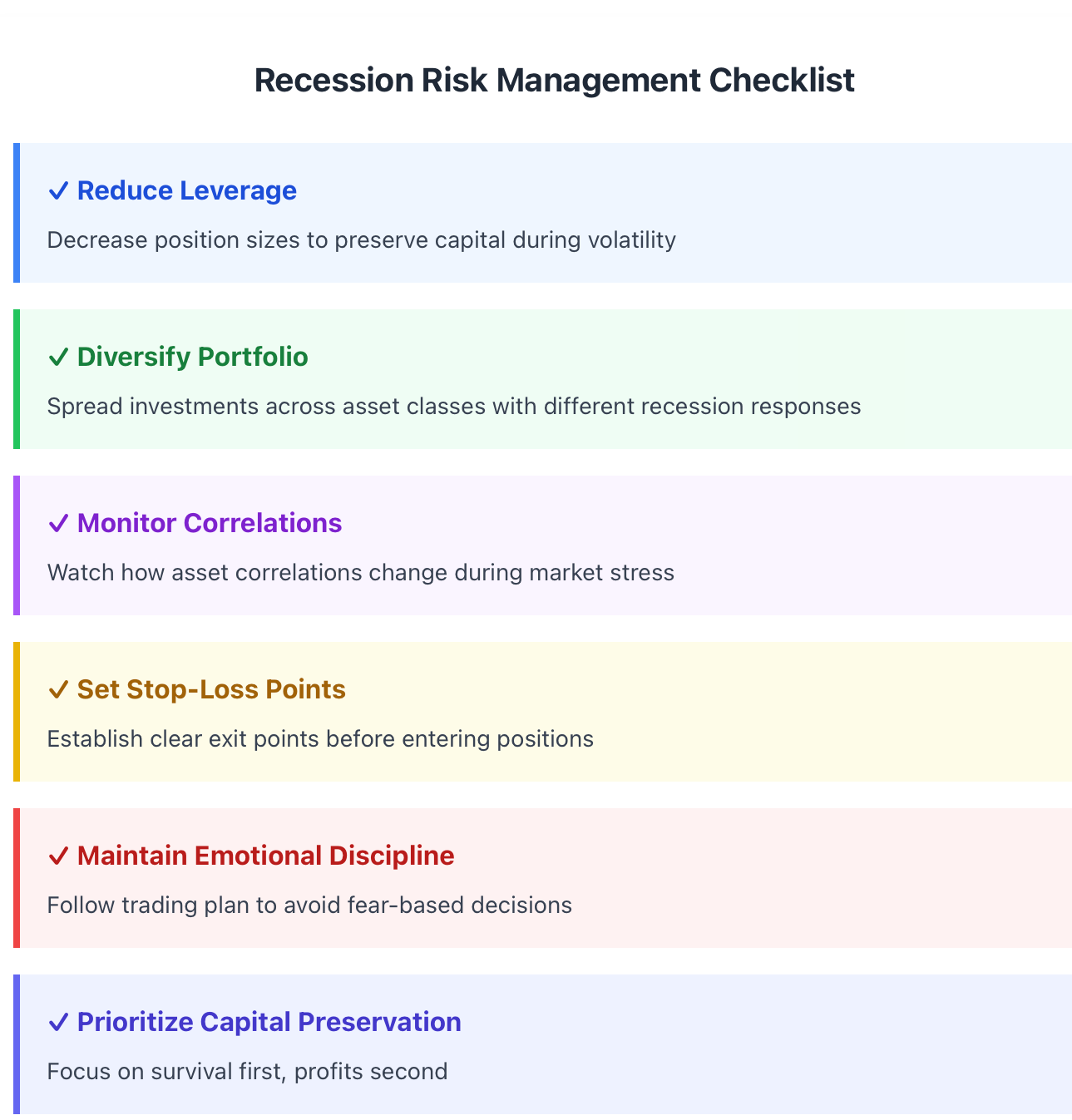
The first thing to avoid is leveraging too heavily. Although leverage is advantageous in times of stability, it can create devastating losses during times of severe market volatility. As with many professionals, traders tend to reduce their position and leverage size during periods of economic contraction to preserve their capital.
While generally used to describe the activities of retail investors and institutions, the concept of “multiple market view” has particular significance during recessionary periods. The greatest benefit of looking at global markets and the correlation between these different classes of assets is to gain insights into the interrelationships among the four main asset classes: stocks, currencies, commodities, and bonds.
By understanding how an upward or downward movement of an asset class can impact the performance of another asset class, investors can identify potential opportunities and risks within the other asset classes that may not be readily visible when analysing just one asset class at a time.
During a recession, diversifying across different types of asset classes is often beneficial; however, it is critical to understand how correlations between these different asset classes will change during times of market stress. During panic market conditions, assets that would otherwise move apart can quickly become correlated, thus decreasing the effectiveness of diversifying across asset classes when protection is needed the most.
While technical analysis remains a key component of an investor's market evaluation process during recessionary periods, understanding economics and specific economic-related news events is also essential to getting a better feel for where the markets are heading.
As price fluctuations will occur rapidly during times of increased volatility, investors should establish their stop-loss point before entering a position and should remain at those points throughout the lifetime of that position.
Survival Must Always Come First for the Beginner Trader
As a Beginner Trader, with regards to recessions, remember that your primary goal is to establish capital preservation first. After you’ve established the basis of preserving your capital through the recession, you can then start maximising your returns.
One example is to take smaller profits faster than usual or reduce the frequency of trades and, if necessary, step back and take no trades during times of extreme volatility. Also to maintain emotional discipline is more difficult during the recession; fear and uncertainty tend to rule market sentiment during this period.
As a safety net in maintaining emotional discipline, use a clearly defined trading plan to avoid making emotional decisions based on fear and uncertainty, which usually lead to poor results.
By concentrating on risk management rather than chasing profits, traders become much better equipped to navigate through an economic recession and are better positioned to take advantage of the opportunities that present themselves when the markets begin to rebound.
How smart investors navigate through an economic recession.
The keys to successfully navigating an economic recession are knowledge, strategy, and discipline. In this article, we have delineated the impact of a recession on various asset classes and how an investor can prepare themselves to take advantage of the asset classes during these times.
The first key takeaway is that recessions develop over time and have a distinct pattern or series of warning signs. By keeping track of the key indicators of the economy, such as GDP growth, unemployment rate, consumer confidence, monetary policy, and the yield curve. All these indicators can give you ample time to prepare for the economic shift before it is officially acknowledged by the marketplace.
Different asset classes behave differently in a recessionary environment, as follows: Equities will usually see their first decline coming from cyclical sectors. Defensive sectors will see their price performance outpace cyclical sectors during the recessionary period. The U.S. dollar and other safe-haven currencies will appreciate, while the currencies exposed to risk will depreciate. The commodity of gold can be used as a hedge against risk in this environment. Oil will see a price decline due to decreased demand. Cryptocurrencies are an emerging area with the potential for a large amount of volatility.
During a recession, all investors need to manage their risk effectively. Protecting capital should be the priority, rather than maximising return on your investments. To protect your capital, you should be reducing leverage, diversifying your portfolio, and maintaining emotional control while the market experiences turbulence.
The ultimate advantage a long-term thinker has in a recession is the ability to maintain an outlook focused on long-term success, while a short-term trader may benefit from the heightened volatility. Although a recession may be painful, it is part of the normal business cycle, which ends with recovery and growth.
The more you gain knowledge about the global economy and global indicators of the economy, the more equipped you will be to manage your risk in the future as well as grow your investments. Understanding economic recessions and the way the market operates during a recession will ultimately provide you with the information you need to grow and preserve your wealth over the long term.
Ready to apply recession insights to your trading strategy?
Visit BTCDANA.COM for expert analysis and tools designed for volatile markets.
Navigate economic downturns with confidence at