



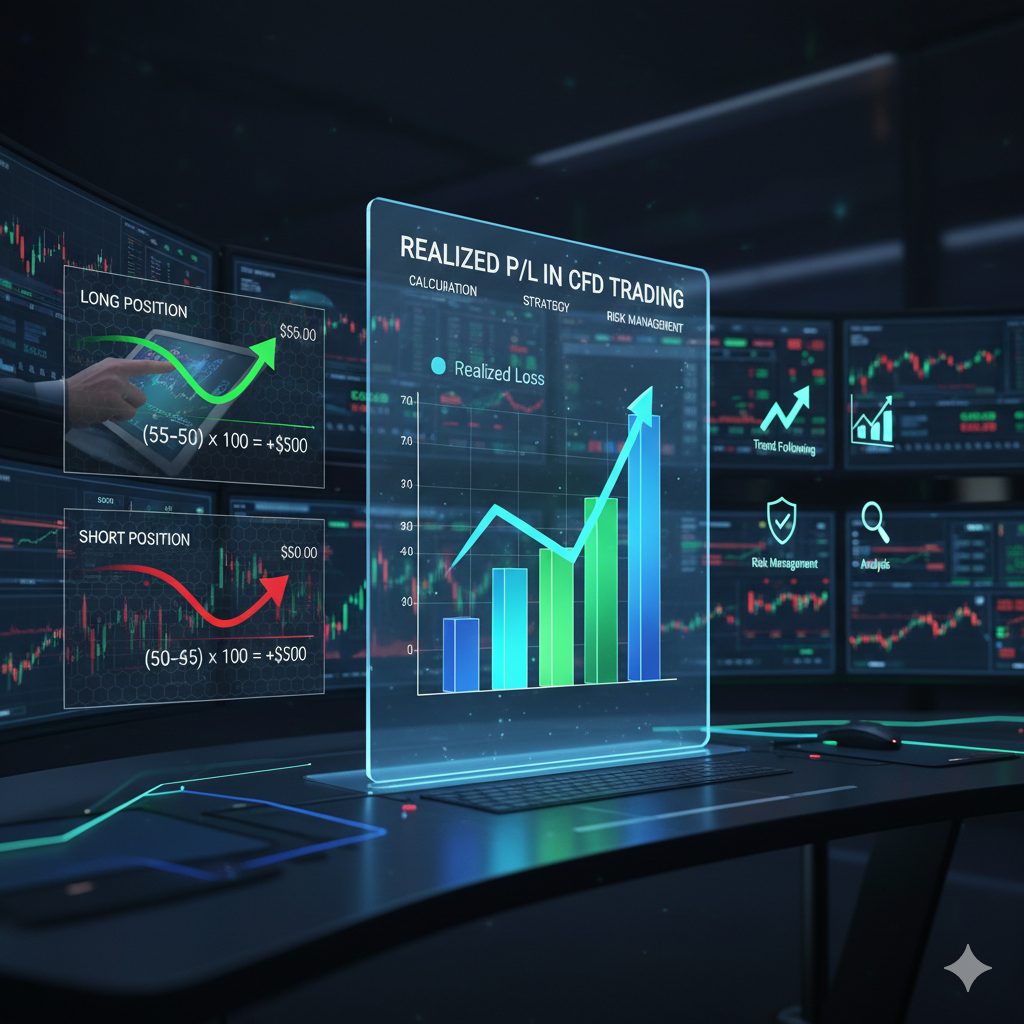
1.Understanding Realized Profit/Loss in CFD Trading
In CFD trading you can gain from price changes, without having the asset itself. Whether you are trading Apple shares, gold or crude oil, you are focusing on price movements rather than the actual commodity or share.
When we talk about realized profit/loss, we talk about the actual amount of money you've made or lost after closing a position. This is different than unrealized profit/loss, which is simply how much you made of lost while you have a position open.
For instance, if you bought 10 Apple stock CFDs at $200 each and the price then rises to $205, you would have an unrealized profit of $50. But again, you haven't actually made that money yet. You would realize have that $50 profit only when you close the position.
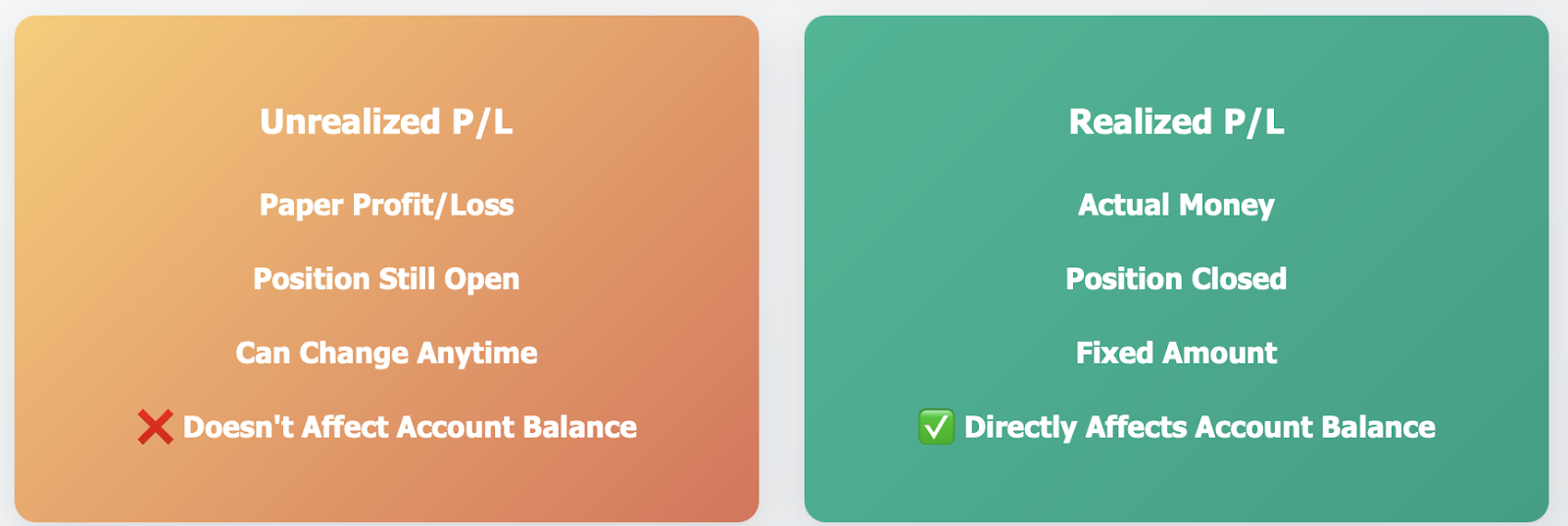
Here is a professional example: A trader buys 1 gold CFD lot and closes the position after price increase and makes a realized profit of $500. That $500 is now actual money in their trading account.
What's the difference? Only realized P/L has an effect on your actual account balance. Unrealized profits can disappear if the price is moving against you while you have that position open.
2.How to Calculate Realized P/L in CFD Trading
Calculating your realized P/L is simple once you know the formula:
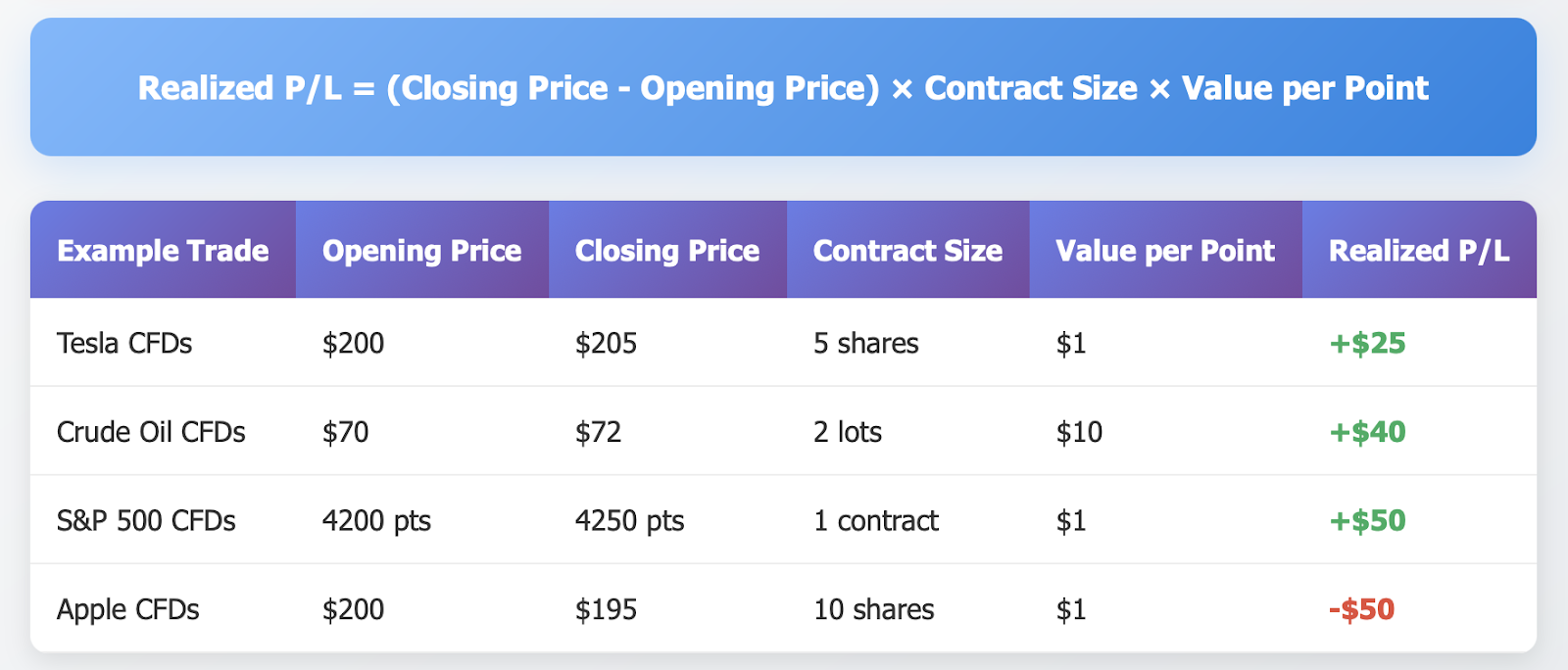
Realized P/L = (Closing Price - Opening Price) × Contract Size × Value per Point
The formula stays the same - but how you apply it differs slightly depending on what you are trading. Stock CFDs are often the simplest, while commodity and index CFDs can have varying contract specifications.
Let's run through some examples:
Professional Example: A trader buys 2 lots of crude oil CFDs at $70 per barrel and closes at $72 per barrel. If one point equals $10 the formula is: Realized P/L = (72 - 70) × 2 × 10 = $40 profit
Newbie Example: John buys 5 Tesla CFDs at $200 and closes at $205: Realized P/L = (205 - 200) × 5 = $25 profit
For index CFDs like the S&P 500 you might see calculations like:
-
Opening position: S&P 500 at 4200 points
-
Closing position: S&P 500 at 4250 points
-
Contract size: $ 1 per point
Realized P/L = (4250 - 4200) × 1 × $ 1 = $ 50 profit
The closing price influences everything: It doesn’t matter if you close the position manually or if a stop-loss or take-profit order executed it; in the end, the closing price is the number that counts when you are calculating your realized P/L.
3.Realized P/L and Risk Management
Realized P/L is important because it reflects the amount that you gain or lose, and therefore affects your account balance, which is directly linked to risk management. Astute traders utilize this information to protect their capital and develop the next trade.
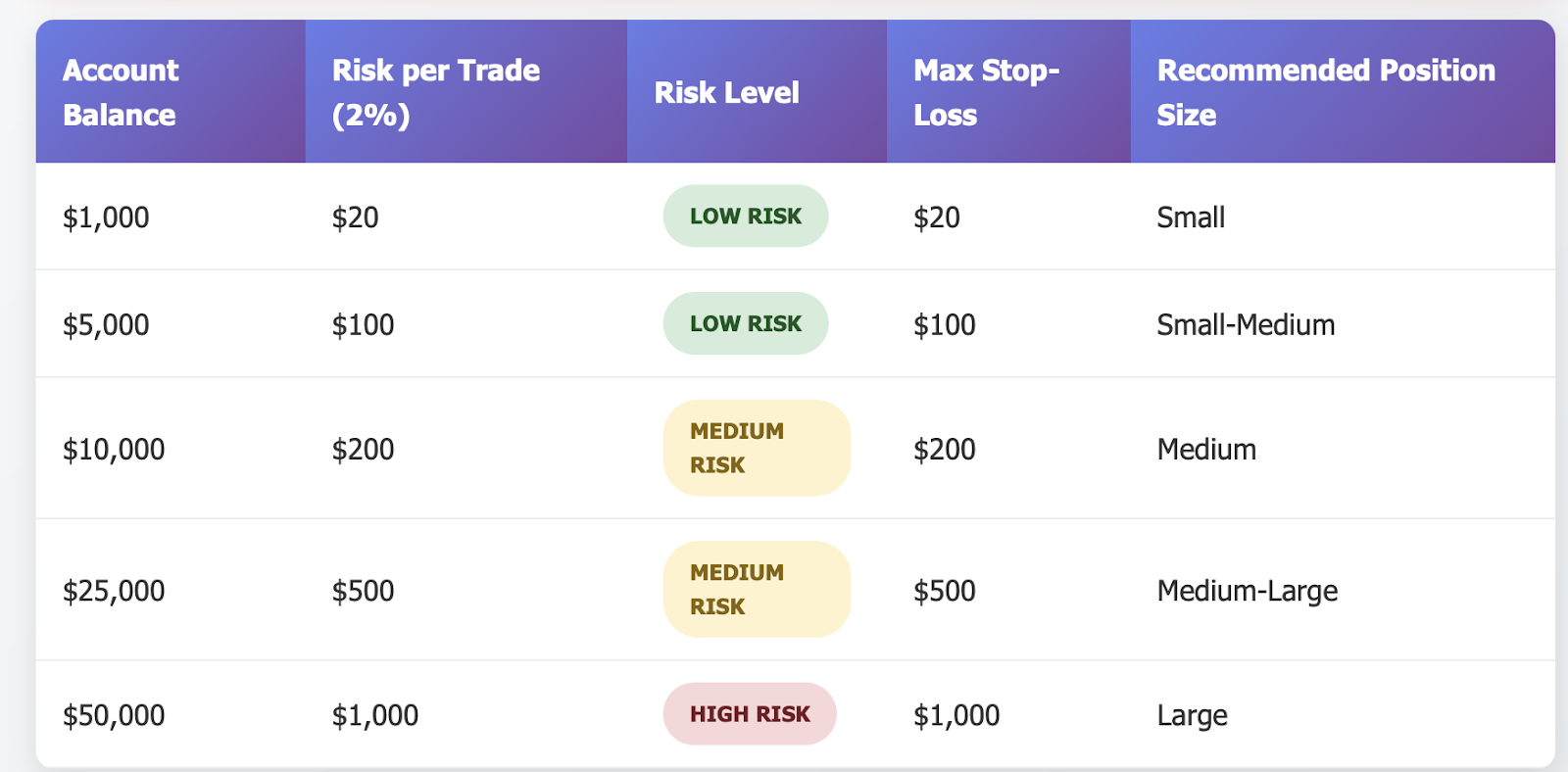
Establishing stop-loss and take-profit price levels allows you to manage realized losses and ensure that you have secured gains. A general practice is to use a percentage of account balance as the maximum risk for each trade.
Professional Example: Many experienced traders will not risk greater than 2% of their account balance per trade, which means if you are working with a $10,000 account, you would set the stop-loss to ensure that your maximum loss is $200 per trade.
Beginner Example: John has risked only $50 per trade regardless of the position size. This way, even if dozens of trades go against him, his account will have taken only a minor hit.
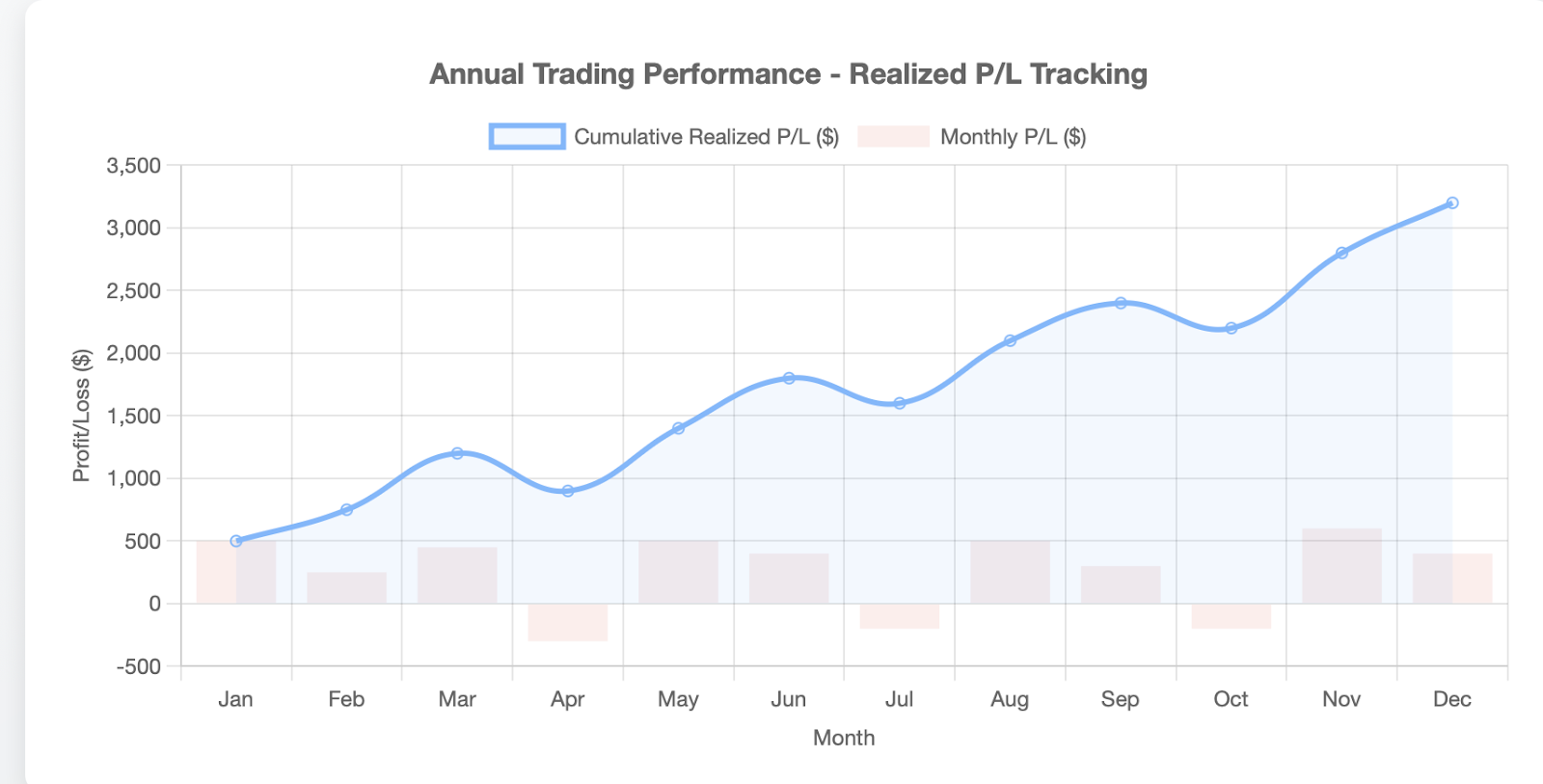
Not only does your realized P/L history help you manage risk, it also provides valuable information about your risk-reward behaviour. If you notice that you are consistently taking larger losses than gains, you need to change your trading behaviour.
There are traders who will track their realized P/L daily to ensure that they are staying within their daily loss limits. Others may refer to a weekly or monthly target.
The benefit of focusing on your realized P/L is that it forces you to be realistic. Realized profits may look good, but they aren’t really profits until you have closed the position.
4.Tax and Compliance Implications
Realized profits and losses have real-world implications beyond your trading account. Profits from CFD positions are taxed as income in most countries, but the tax treatment will vary widely from jurisdiction to jurisdiction.
In the USA, for example, profits from CFD positions are considered capital gains treatment. The tax rate will depend on how long you held the position, and the level of income you received. If you realize a short term gain (less than a year you held the position), it is likely taxed with your ordinary income.
Professional: For instance, a US trader who realizes $5,000 from a CFD position may potentially pay 15% to 37% in taxes depending on their tax bracket, as well as on the holding period.
Beginner: Just like John doesn't have to worry about any taxes with his demo account since it is not real money, he can just track his demo account. Once he starts a trading account with real money and he takes a realized profit or realized loss, John will needed to track each of his realized gains/losses for tax purposes.
Certain countries permit the ability to offset realized losses against other capital gains, lowering your anticipated amount of tax owed. This is commonly referred to as tax-loss harvesting and is a legitimate response for many traders.
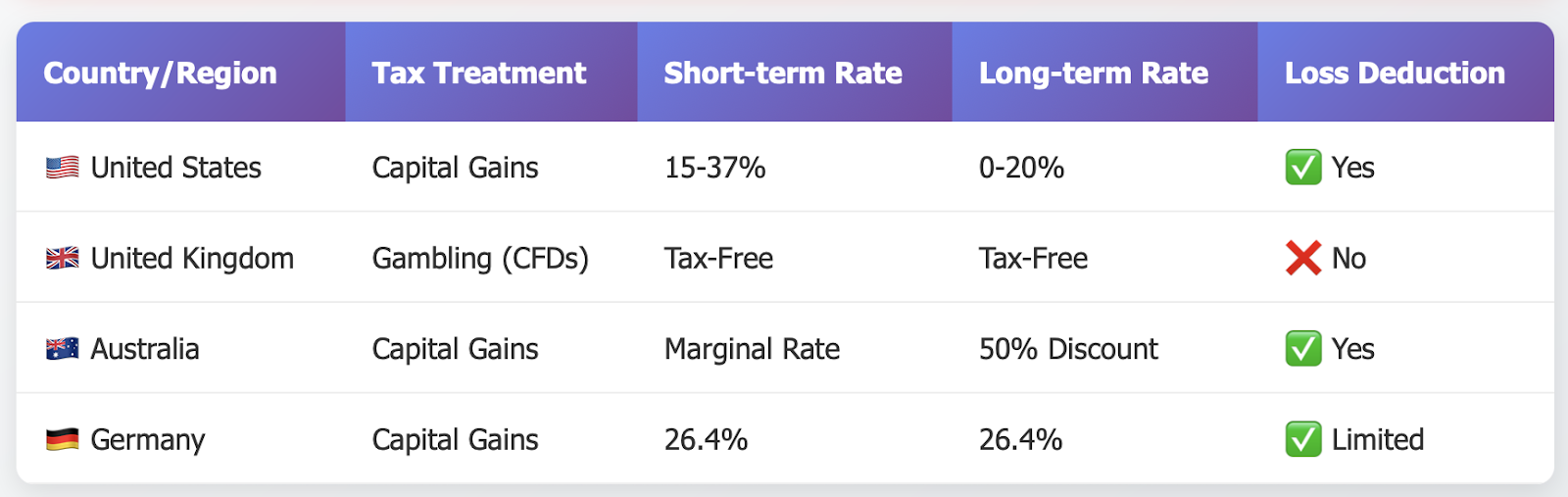
CFD trading in the UK is considered gambling in some instances, which means any profit is tax-free, however, that's the same reason you cannot deduct any losses. So, again be sure to speak to a tax professional who knows your local tax rules.
Be sure to keep a record of all your realized P/L trading transactions. The information you will need is the date of each trade, the amount of each trade, and details on the asset you traded. Most trading platforms will provide some year-end statements to help with this.
5.Using Realized Profit Loss to Improve Your Trading Strategy
Your realized P/L can represent a treasure trove of data to help you improve your trading results. As you analyze your realized P/L you will see what is working in your trading system and what is not.
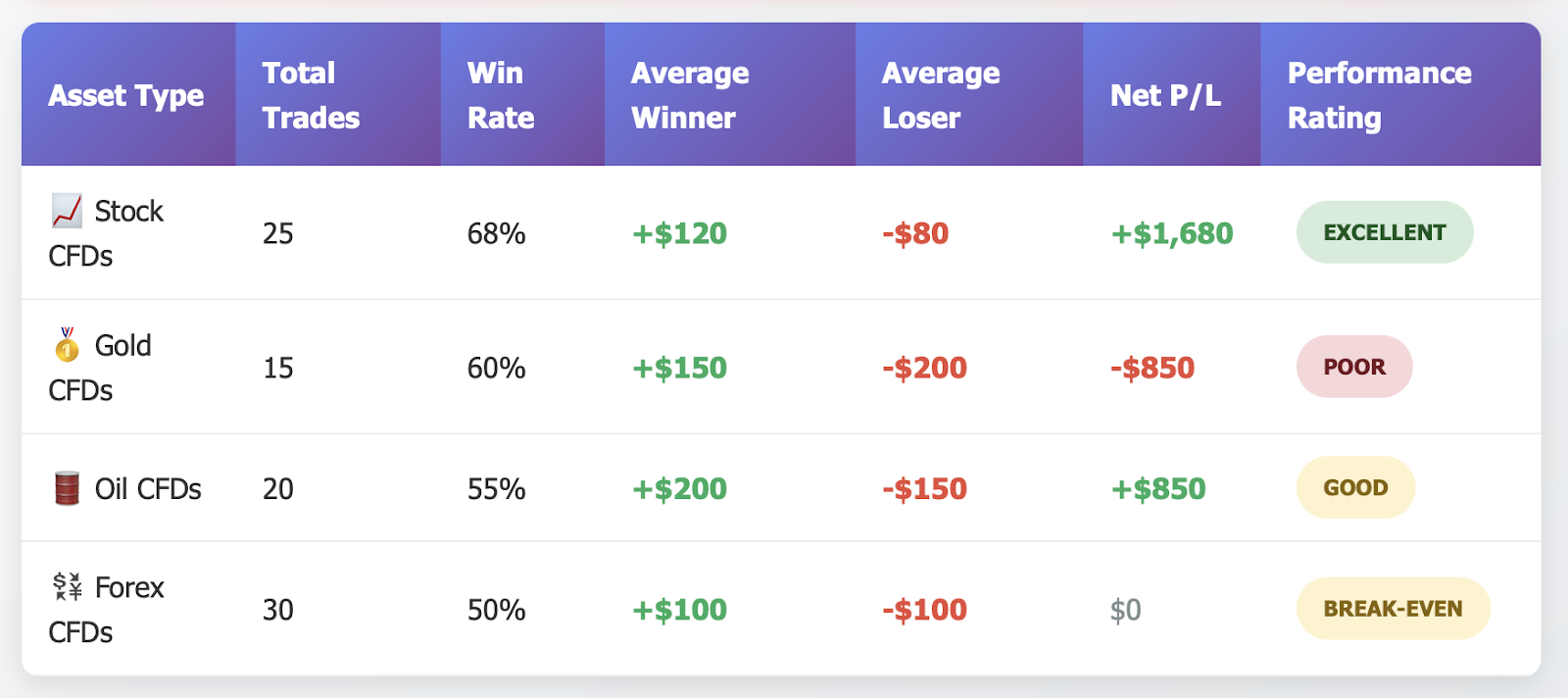
You could start by segmenting the realized P/L by some asset type, time of day, or strategy. For example, you might find you are consistently profitable in gold CFD trading, but losing money in a forex trading system.
In the professional example, after reviewing 50 trades, the trader sees the average winner generates $150 per profitable trade, while their average loser loses $200. This risk-reward relationship explains why they are losing money even though their winning percentage is 60% of the time.
In the beginner example, John keeps track of his trades for a month and finds that he makes better trading decisions when he trades in the morning rather in the evenings. He decides to manage his trading during the morning hours, when he feels much more alert.
-
What are you learning about your trades?
-
What assets provide you the best average realized profit.
-
What position sizes work for the size of your account?
-
Are you holding losing positions too long?
-
Do you exit profitable positions too quickly?
Your realized P/L can also inform how to adjust your position size. If you appear to be continuously profitable with small positions and are losing money by increasing the size of your position, it is possible you are over-leveraging your position size.
Some traders take their realized P/L and use this to create progressive profit targets. After string of profitable trades, they may want to begin increasing their position size. After an unexpected streak of losing, they will decrease their position size until they are begin profitable again.
The objective is to maximize your realized profits while minimizing your realized losses. This may mean taking profits sooner on some trades or allowing the winners to run longer on others.
6.Highlights on Realized Profit and Loss
Realized profit/loss is the actual money you made or lost from the closed CFD position. Unlike unrealized P/L, this will influence your account balance and account capital.
Knowing how to calculate realized P/L will help you understand how to size a position with respect to loss and exposure. The formula is straightforward, but applying the formula consistently across all different asset types requires you to pay attention to the specifications of the contracts.
Realized P/L history is an important dataset for reflecting on your trading strategy. By assessing the patterns in your closed positions, you can figure out what you do well that you might want to continue and what you can work to eliminate from your trading.
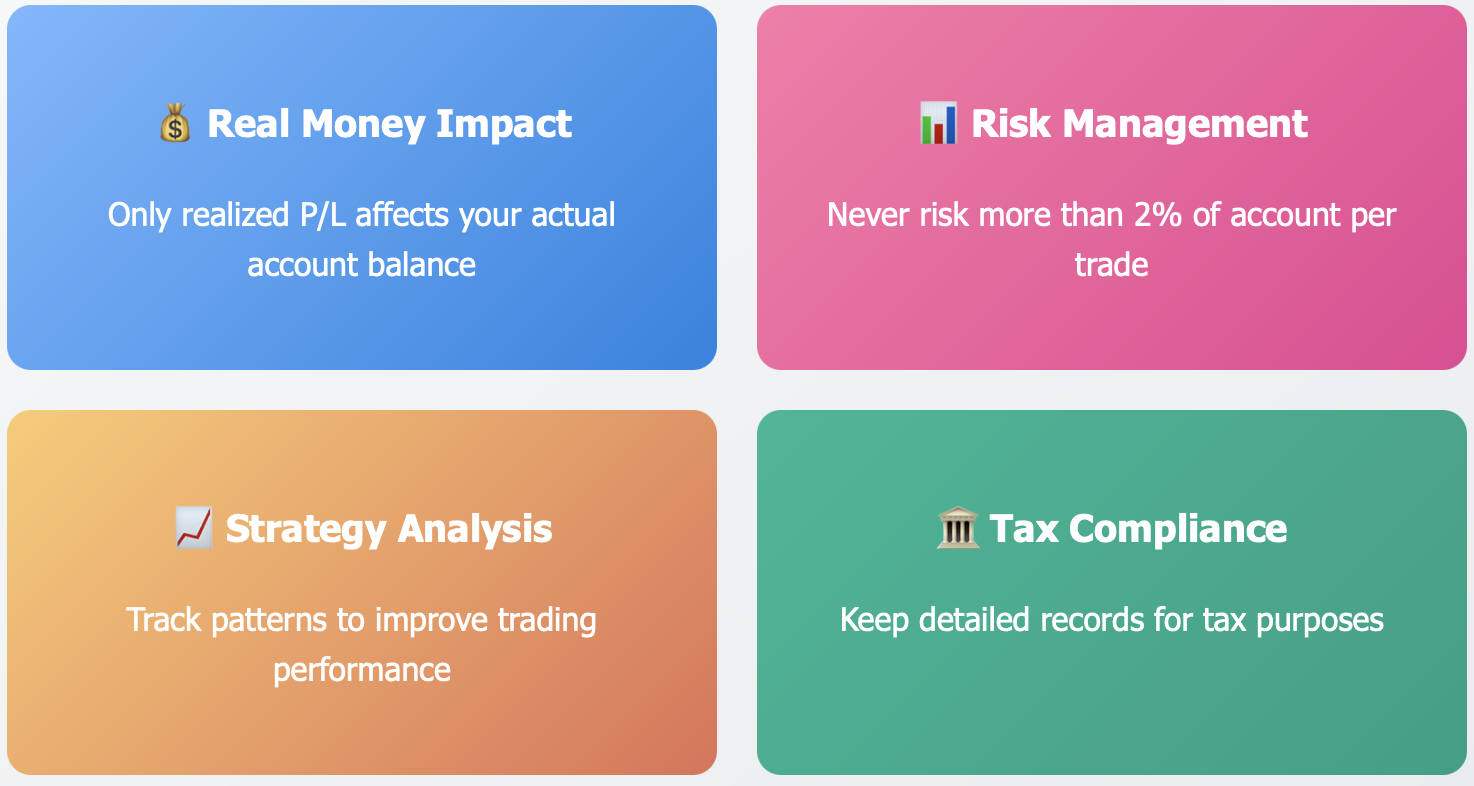
Be cognizant of the practical implications of realized profit. Taxes, compliance, and record keeping all become important as you begin to generate realized P/L.
The best CFD traders place their emphasis on their realized P/L rather than worrying about their unrealized profit. Paper profit does not pay the bills, realized profit does. Use this principle to enhance your trading decision making, manage risk, and sustain trading success over the long haul.
Would you like to take control of your CFD trading results? Start today with btcdana.com
by tracking your realized profit/losses and look for patterns to improve your approach.
Remember: only closed positions create actual money in your account, not what could be. Learn to transform unrealized profit potential into realized profit and you may be able to change your trading results from here.