



Success Stories in the Forex Market: Lessons from Top Forex Traders

Introduction: The Journey from Loss to Profit.
The forex market is enormous. The average daily trading volume worldwide is $7.5 trillion. At least, this is according to the Bank for International Settlements (BIS) when it provided data from 2022.
Why do some traders succeed, yet most traders actually lose money? This is true in the forex market. Yet, some traders can make a profit alongside the market year after year.
This article will summarise the stories of successful traders above other traders in the international currency market. We will gather the commonalities from their stories. We will examine their market behaviour. The goal is simple. We want to demonstrate the action mindset of these traders. We want to demonstrate behavioural actions that can be used in trading today.
In summary, forex success isn't random; it stems from systematic learning, discipline, & practice.
Additionally, retail traders account for only 5% of total volume transacted in the market. As a result, most volume in the market today is made by institutional players. Nonetheless, individual traders can succeed in the markets. Retail traders can learn the same lessons and work with the same principles.
The Winners of the Forex Market: What Do They Have in Common?
Successful traders possess common characteristics. These characteristics are not mystical. They can be learned. They are repeatable.
The first characteristic is strict risk control. Successful traders never risk more than 2% of their capital on any one trade. They protect their capital strictly. They realise that losing money is a dangerous thing. Losing money creates a reduced opportunity going forward.
The second characteristic is consistent trading strategies. Successful traders have systems. These systems are tested. These systems are refined. Successful traders follow their systems in good times and bad times.
The third characteristic is emotional discipline. The forex market moves extremely fast. Prices are moving every second. Traders can destroy their trading accounts, or at least significantly reduce their trading accounts, due to emotional impulses. Successful forex traders remain grounded. They don't panic when prices are falling. They don't get lukewarm when prices are rising.
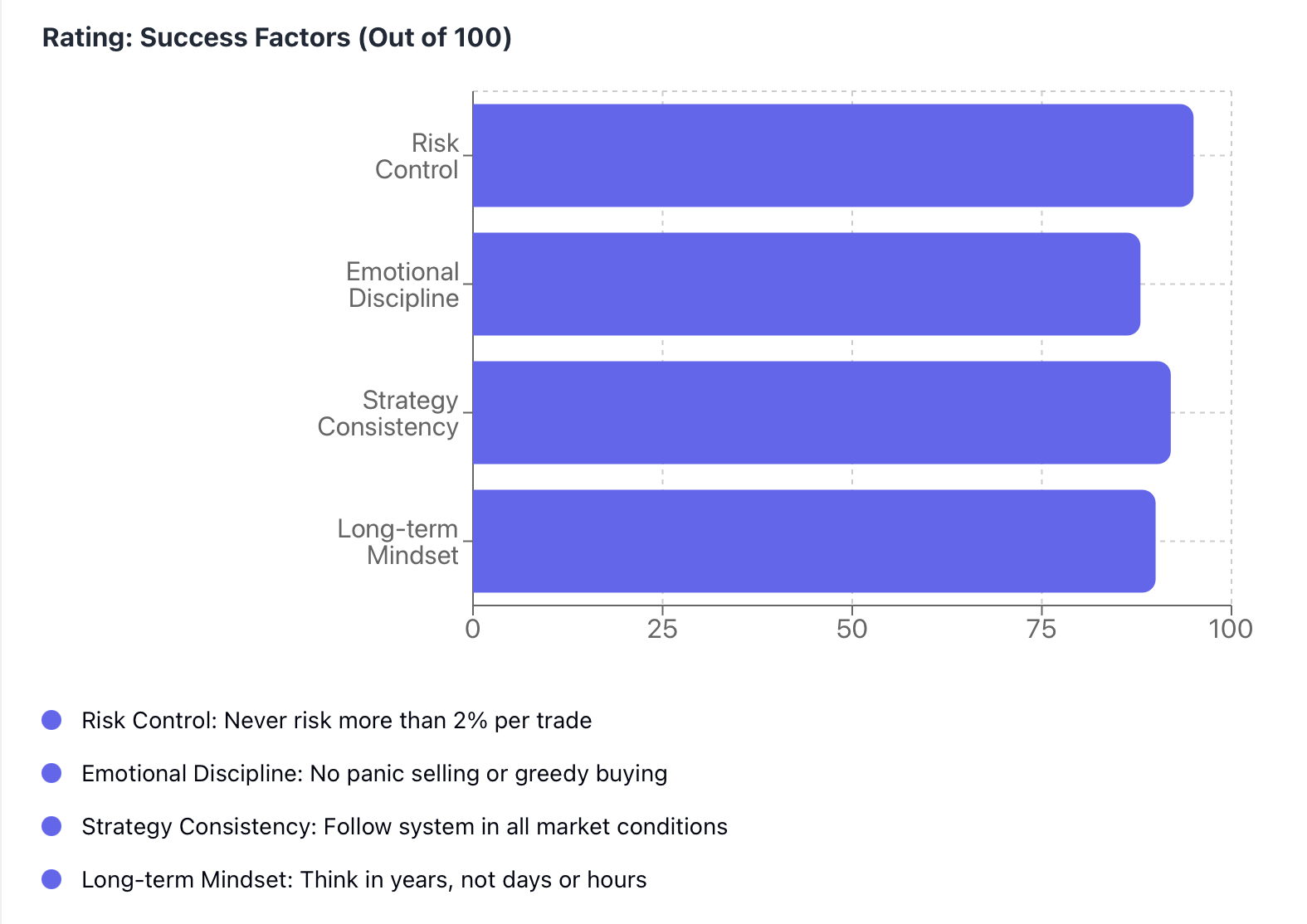
The fourth characteristic is a long-term mindset. Successful traders think in years. Successful traders don't think in days or hours like the rest of the world. Successful traders build wealth slowly. Successful traders recognise that consistency beats intensity.
The fifth characteristic is independence to maintain separation from market noise. News, rumours and social media have created noise. Successful traders ignore the noise. Successful traders focus on their trading plan. Successful traders trust in their systems.
George Soros is well known for his speculation against the British pound in 1992, where he made $1 billion from a single trade, but this was based on serious research, analysis, and risk management, not luck. Paul Tudor Jones once said something very insightful; he stated, "I'm not thinking about making money, I'm thinking about not losing money."
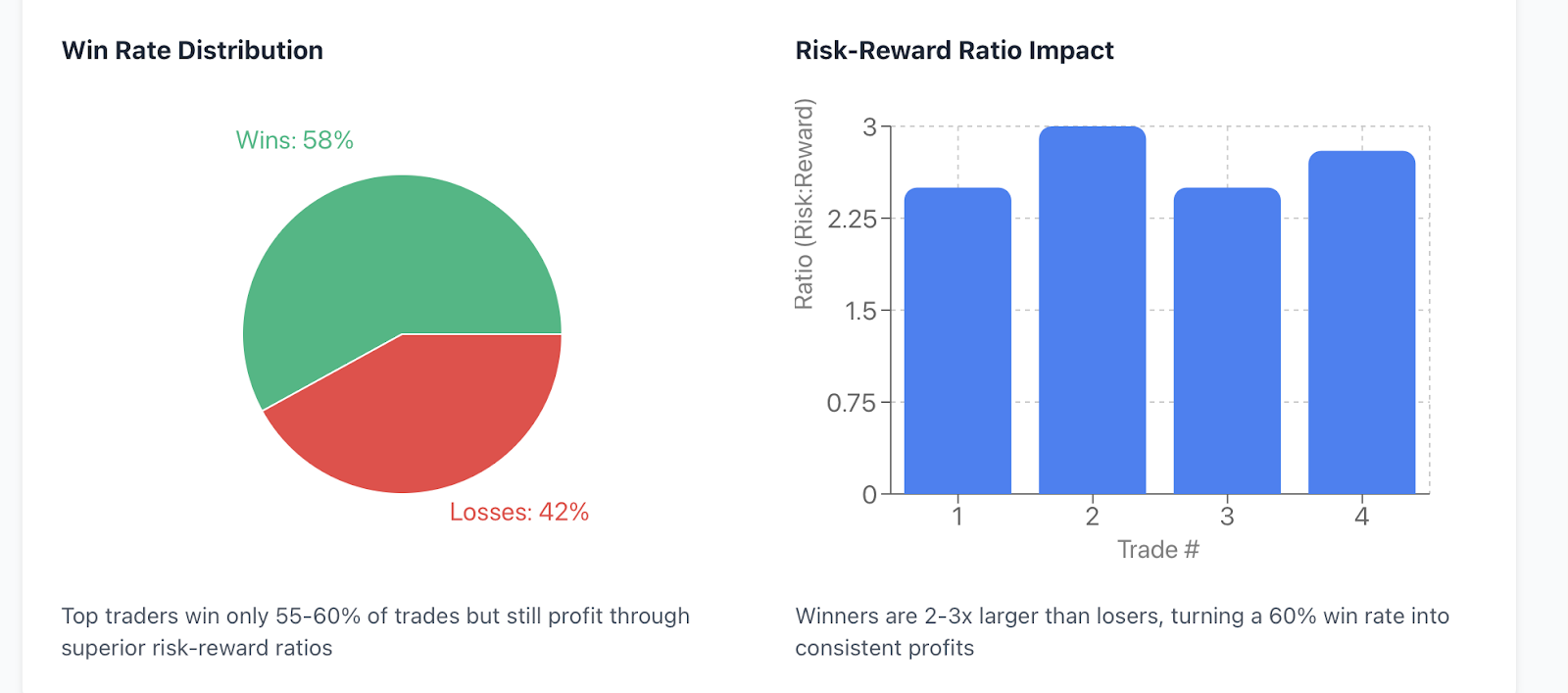
This is demonstrating a particular mindset: the priority is protecting, the second priority is profits. Asian traders have been successful as well. In Japan, there are many retail forex investors, and they are commonly referred to as "Mrs Watanabe." They are disciplined traders. They treat forex trading as a business. There is some interesting data here as well. The world's top traders have a win rate of just 55-60%, and many do not win the majority of their trades, yet they profit regardless.
How can this be? They are using risk-reward ratios of 1:2 or 1:3, which means that their winners are larger than their losers. Trading forex successfully is a psychological game, not a predictive game. You do not need to predict the market; you need to manage your mind.
Real Stories: The Road to Success of Three Forex Traders
Story One: From Programmer to Profitable Trader
A tech-savvy trader shifted his methodology. He relied on rational thought. He relied on data. He no longer relied on guesswork. He developed a robust trading plan. The plan utilised RSI and MACD indicators. The plan included clear entry and exit rules. The plan included strict risk management. The plan included position sizing.
On a particular day, he entered a trade. The setup was ideal. He initiated the entry order. He set the stop loss immediately. The stop loss was underneath support. It made logical sense. There was no emotional consideration.
The trade immediately went against him. Prices fell through the stop loss. He exited the trade. He had a small loss. He moved on to the next opportunity.
That trade demonstrated discipline. He did not hope. He did not pray. He traded his plan. That was why he was a winner. That was why he was still able to continue trading.
Story Two: The Working Mom Who Won with Discipline
A woman trader had limited time. She had a full-time job. She had a family. She could not be trading all day long.
As a result, she devised a trading schedule. She traded exclusively during the London open. She traded exclusively during the New York open. She did not trade during the Asian session. She did not trade in choppy markets.
When she was trading, she was focused. She checked on her trades. She managed her trades. She took small profits when they hit the target. She cut her losses when she was wrong.
Her trading philosophy was simple: "Consistency vs intensity”. Consistency here is quality vs quantity. A few high-quality trades are better than many poor-quality trades. Small profits are overcome quickly.
Her monthly trading performance was consistent. She would earn anywhere from 2% to 3% per month. Some months went great. Some months were slow. Continuous positive performance is all she cares about. In addition, her equity curve never retraced below any previous highs.
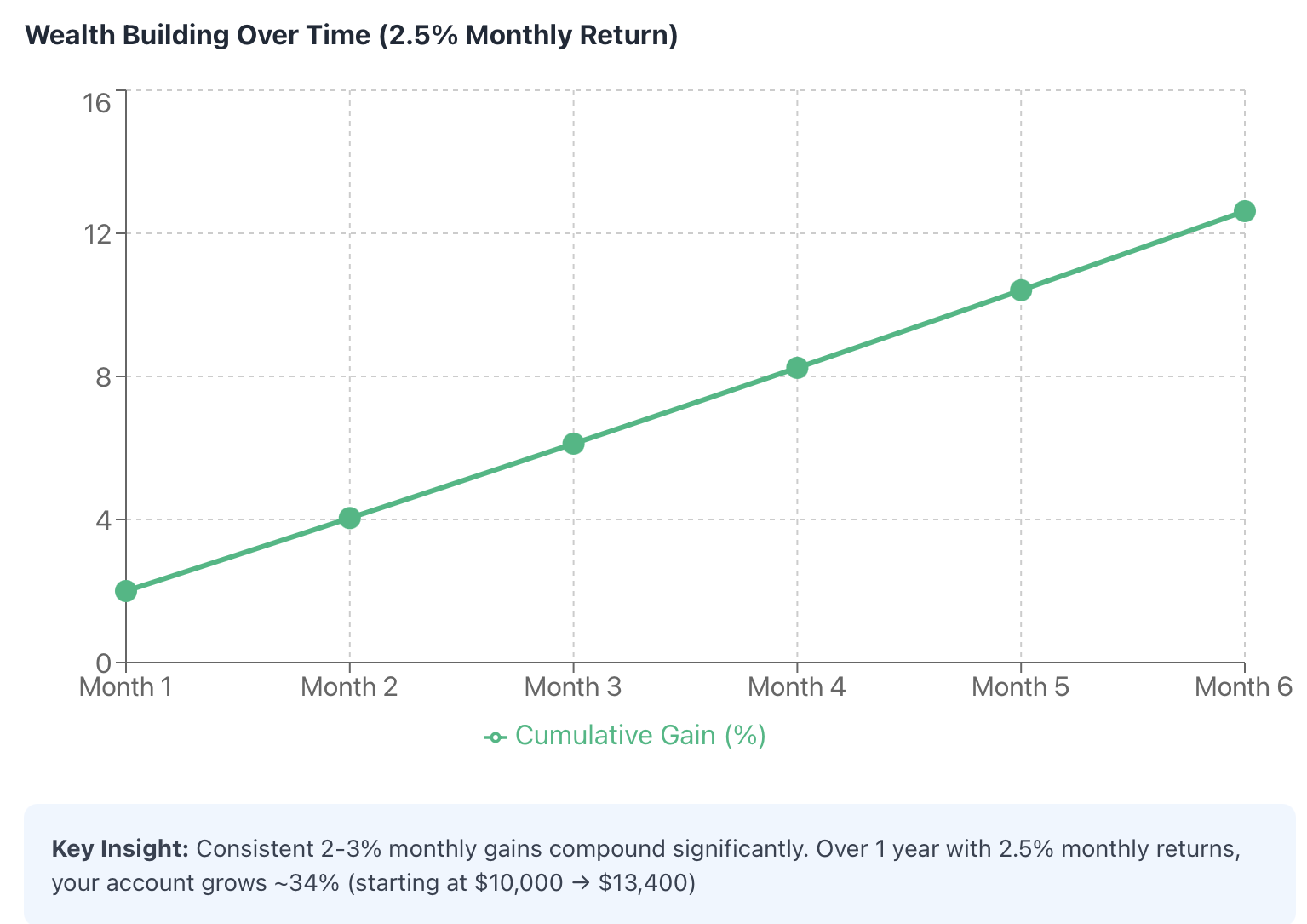
She would trade on a daily schedule. Time to enter would be: 8 AM GMT. Time to exit would be: 12 PM GMT. Period. No exceptions, no flexibility. This framework is what, in many ways, helped her out. This framework is what also kept her disciplined.
Story Three: From Blowing Up to Bouncing Back
This trader endured pain. He lost multiple accounts. He continually made the same mistakes. But he did not quit. He continued to learn.
He expressed something powerful: "I thought I knew the market, until I learned to appreciate the concept of losing". This quote changed everything. He stopped blaming the market. He began blaming himself. He began to improve.
His journey was very cut and dry. The first stage was loss. He traded without risk management. He risked too much. His account disappeared.
The next stage of review. He looked back at what he did wrong. He reviewed his trades. He observed the repetition of certain formats. He saw the mistakes that he made.
The third stage was strategy optimisation. He began practising new rules and applying them to live trades. He practised in a demo account. He re-evaluated. He practised strategy again.
The fourth stage would be profit. His system worked. He made a profit consistently. He never risked more than 2% a trade. He never stayed in losing positions. He never overtraded.
The area of emotion was equally important. Early in his journey, he experienced fear. He experienced greed. He experienced frustration. As he progressed, he began to lose those feelings. He felt calm. He felt mechanical. He began following his long-term plan without any emotion.
The Data Behind Success: What Sets Them Apart?
The statistics present a clear indication. Successful traders have concrete metrics. The metrics differentiate a successful trader from an unsuccessful trader.
One metric is the win rate, or percentage of winning trades. The top traders have a win rate of 55% to 60%. This is significant. They do not win more than they lose and still make money. But how?
The risk-reward ratio provides the answer. They will risk $1 to make $2 or $3 if the trade goes in their favour. The winners are larger than the losers. In their examples, a win rate of 60% and a ratio of 1:3 will eventually lead to profits. The math here is very easy.
Max drawdown is another metric. This is the largest drop from the peak to the bottom. Top traders keep the max drawdown under 20%. Many successful traders keep it under -15%. This protects trading capital and your mindset.
Average gain per trade varies by time frame. Some traders average 1% gain per trade, some 3%. For a day trader, 1% will do. Day traders need that quick, nimble, fast-moving market that could go a long way in a shorter time. Swing traders tap into experience waiting on trades for larger moves.
The data provides the universal "Golden Rules" based on the rules under each of the metric areas. The first rule is, "risk no more than 2% of trading capital on a single trade." This means if an account was $10,000, a 2% risk means your risk is $200. If the account was $100,000, your risk is $2000 on each trade. This prevents the risk of losing equity added to drawdowns.
The second rule is to establish a fixed stop-loss point. Your stop loss needs to be technical. Your stop loss should be at support or resistance. Your stop loss should never be emotional. You will never want to move a stop loss against you.
The third rule is to only trade high probability setups. Not every setup is a setup. You want to look for confluence. You want multiple indicators to agree. The more odds you can create, the more profit you create.
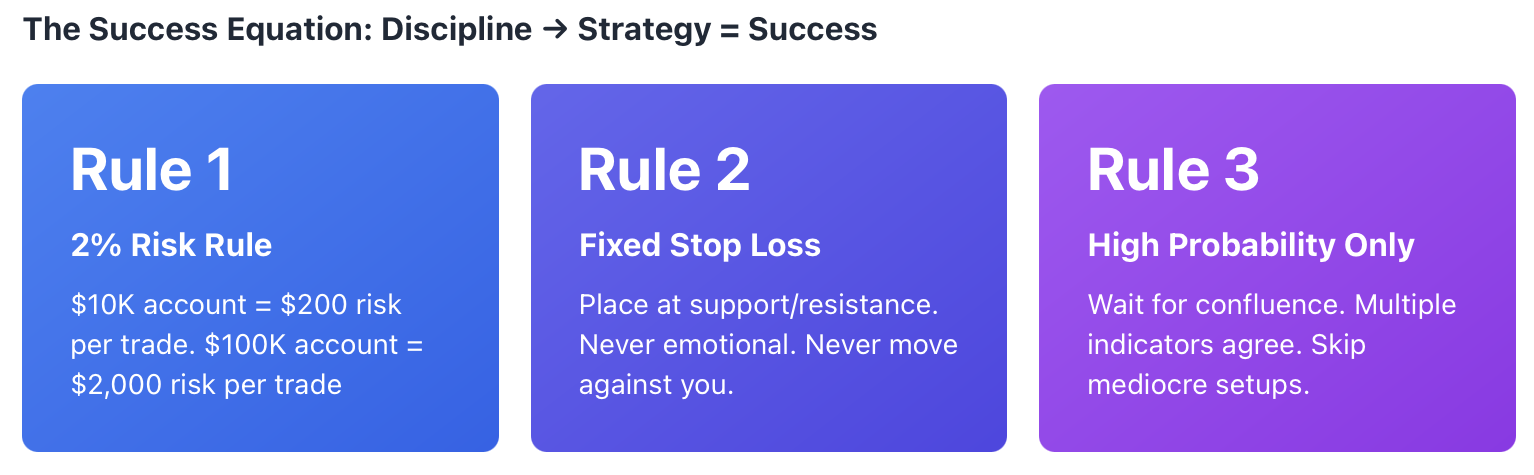
This is the equation. This is why these traders win. This is how you will win.
Lessons for Beginners: How to Replicate Their Success
You can achieve the same results. You don’t have to be that special. You just have to use the right process. You have to put in the work.
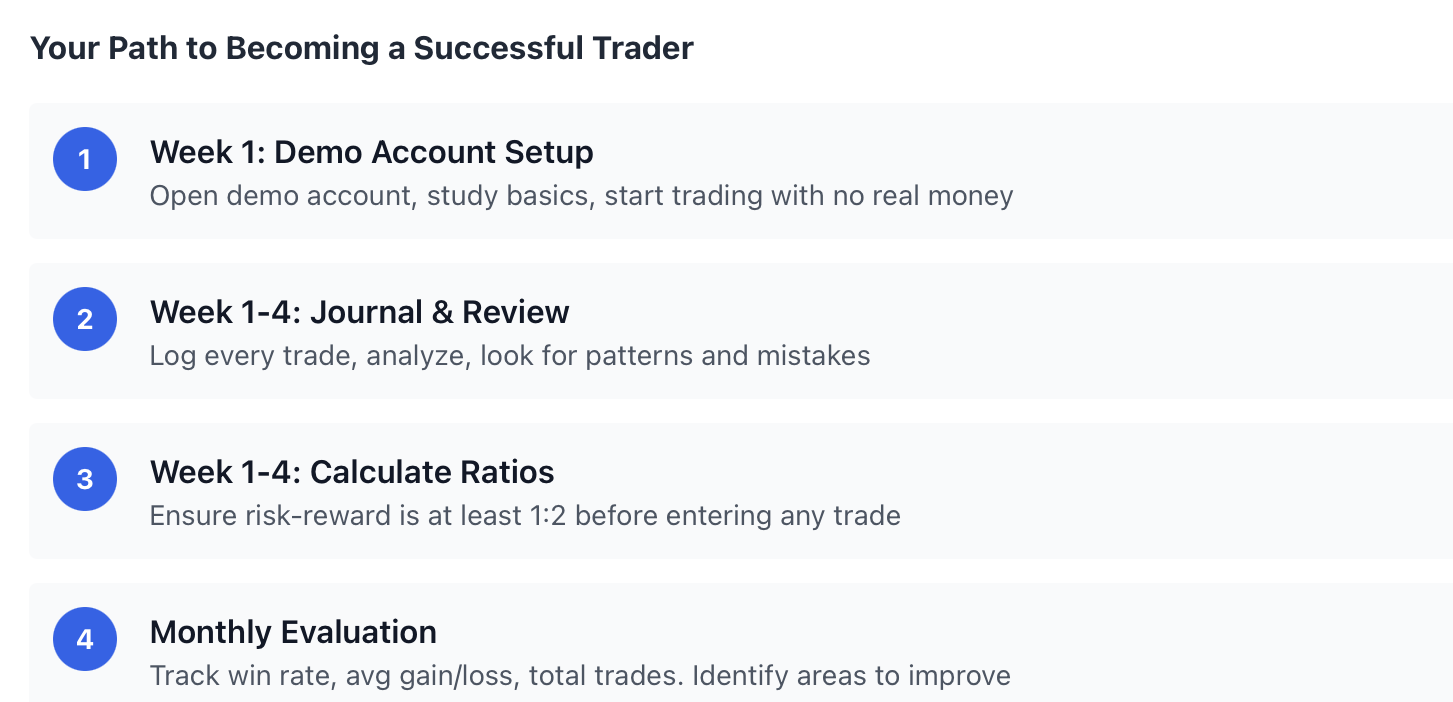
Maintain a trade journal. Keep a record of each trade. Write down your entry price. Write down your exit price. Find out if you made or lost money. Explain why you made the trade. Discuss what you learned.
Review your trade journal weekly. Look for patterns. Look for mistakes. Look for possible improvements. This is how you grow. This is how you improve.
Start practising with a demo account. Don't risk real money just yet. Practice with a demo account. It's free. It’s safe. Spend at least one month trading on a demo account. Make your mistakes here. Learn your lessons here.
Consider risk-reward ratios closely. Before entering any trade, calculate how much you will make on a potential winner. If you risk $100, if you are right, how much do you make? If it is less than $200, do not take the trade. Wait for better trade setups. Better trade setups typically have better risk-reward ratios.
Perform regular evaluations and adjustments. During the course of a week, assess your trades in a brief review. Each month, assess your trading strategy. What was productive? What was ineffective? What do you need to alter? This continuous effort to improve keeps you sharp!
Be sure to track your metrics. Have a record of the total trades. Track your winning trades. Compute your win ratio. Compute your average gain. Compute your average loss. You need to know the numbers. The numbers will show you progress.
Look at timely, successful traders. Read the books of successful traders and watch videos of successful traders, and learn their philosophy. Take their lessons and put them into your trading. Successful traders have found the path; you see it and follow the path they laid out.
As you practice along and begin to create discipline, you will build your skills. You will create your advantages. You learn how to protect your capital. You learn how to grow your wealth. This takes time. This takes patience. Push forward, it will work!
Conclusion: Every Successful Trader Starts from the Same Point
Successful traders don't make predictions. They master themselves. They master their feelings. They master their criteria of discipline. They master their own system.
You, too, can do the same. It does not matter your background; you can find success. It does not matter what your existing knowledge is; you can improve. It does not matter your past performance; you can recover.
Consistent learning brings success. Risk management brings success. Discipline brings success. These three ingredients work together. These three ingredients create profitable traders.
It is time to start. Open a demo account right now. Get started with practice. Trade for 1 month. Keep a trading journal. Follow your system. Believe in your process. Build your confidence.
Your success story will be next. You will soon be part of the winning traders. You will be on your way to wealth built through forex trading. You will soon be on your way to financial freedom.
Start trading with BTCDana now. Begin your success story now. Become a winning trader today.